
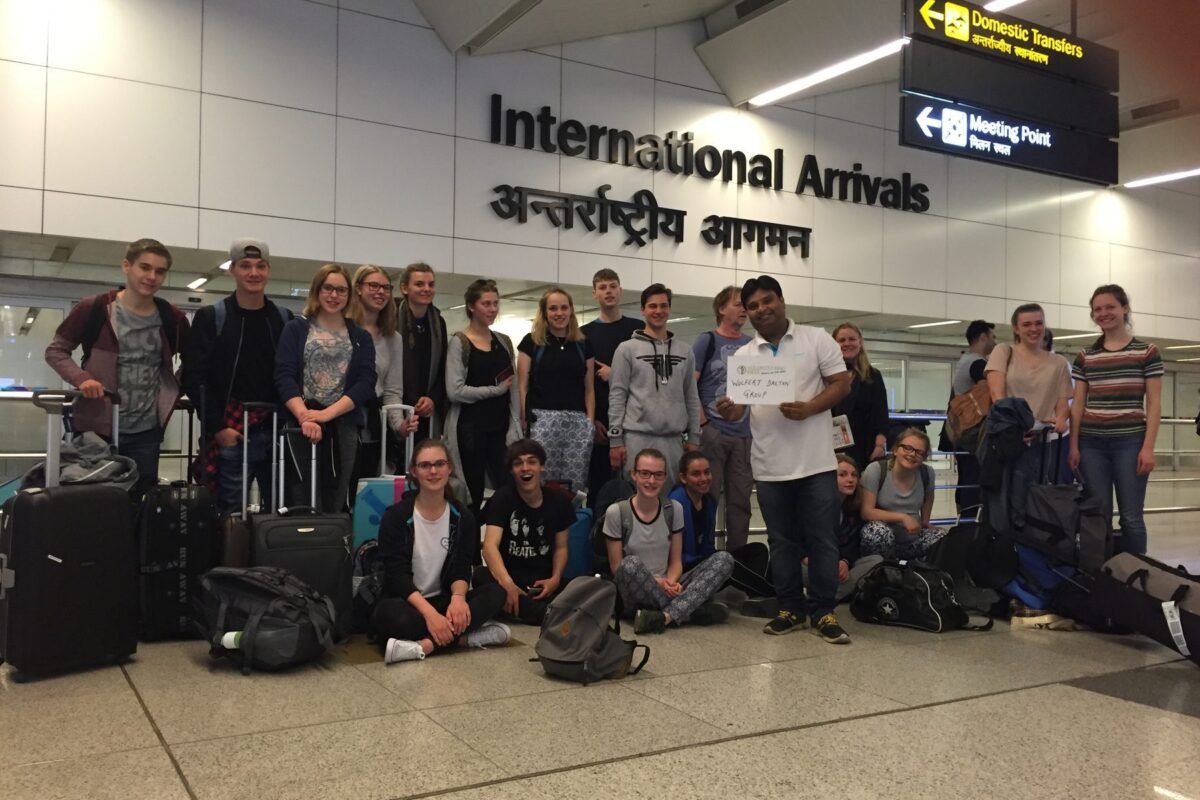
Before their first trip, many volunteers have heard that India is dirty, dangerous, unbearably hot and impossible to get around without speaking the language. Films and headlines don’t help. The reality is far more varied, and usually far more welcoming, than the stereotypes suggest.
We have been welcoming volunteers to New Delhi since 2004, so we hear these worries often. Here are nine common myths about traveling in India, and what we tell people who ask about them.
1. “It’s not safe to travel in India alone”
Millions of people visit India every year, many of them on their own, and the vast majority have a safe trip. That doesn’t mean there are no risks. As in any big country, pickpockets and scams turn up in crowded places, and women in particular can attract unwanted attention, from staring to harassment.
Sensible precautions go a long way. Dress modestly, use the Metro, prepaid taxis or ride-hailing apps rather than unmarked cabs, avoid isolated places after dark, keep valuables out of sight and trust your instincts. Check your own government’s travel advice before you go. As a volunteer you are never really on your own: our team meets you at the airport, your orientation covers staying safe, and a coordinator can be reached at any hour. Our tips for traveling solo in India go into more detail.
2. “Everyone in India does yoga”
Yoga began in India, and you’ll see people stretching in parks at dawn, especially on the International Day of Yoga every 21 June. But most Indians don’t practice it every day; for many it’s one way of keeping fit among others, alongside cricket, walking and the gym. If you’d like to learn, Rishikesh in the Himalayan foothills is full of ashrams and studios with classes for beginners, and it’s an easy independent trip from Delhi.
3. “Indian food is always fiery”
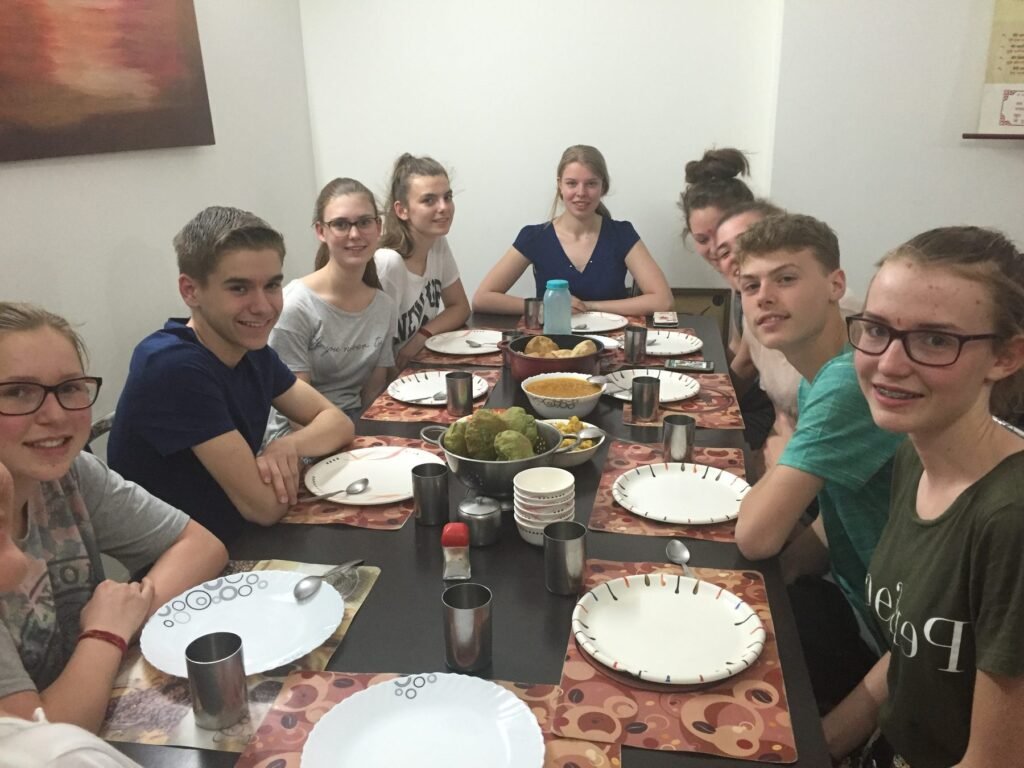
Indian cooking uses a lot of spices, but spice is not the same as heat. Cumin, cardamom, cinnamon and turmeric bring flavor, not fire, and every region cooks differently: creamy dals and kormas in the north, coconut curries in the south, gently sweet dishes in Gujarat. Many dishes are mild, and nobody minds if you ask for less chili. In Hindi, kam teekha means “less spicy.”
Leave room for dessert, too: gulab jamun, the rice pudding called kheer, and hot jalebis straight from the pan.
4. “All Indians are vegetarian”
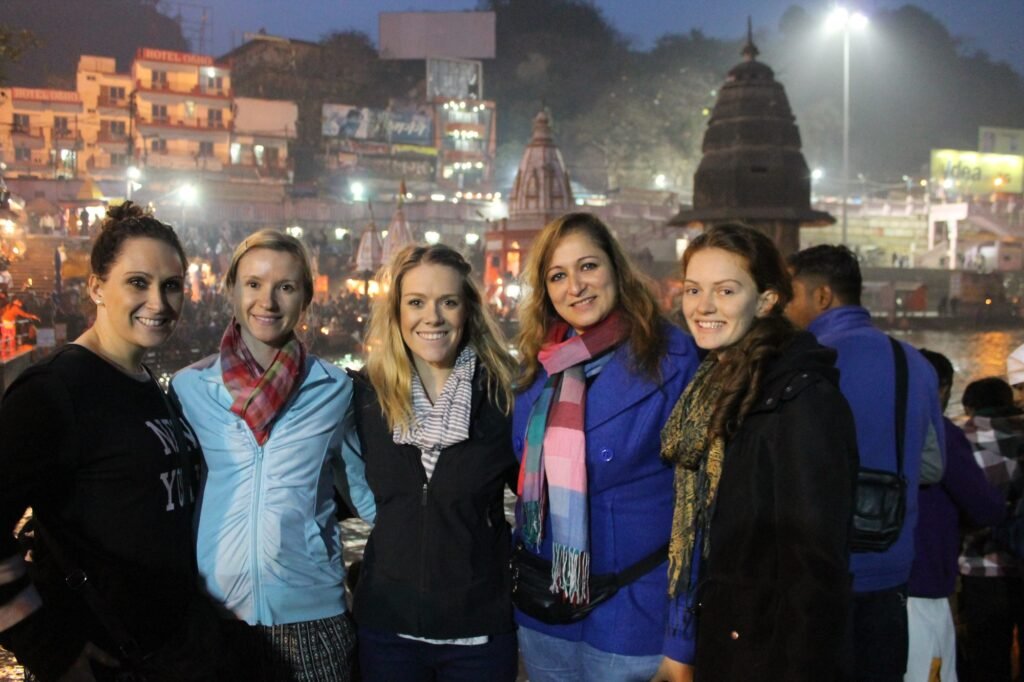
India is home to more vegetarians than any other country, and the vegetarian food is so good that many visitors don’t miss meat at all. But plenty of Indians eat chicken, mutton, fish and eggs, and meat dishes are easy to find in the cities. Some holy towns, such as Pushkar, Haridwar and Rishikesh, are vegetarian by custom, and many families skip meat on certain days of the week or during festivals.
The meals included on our programs in Delhi and Jaipur are vegetarian, which suits most volunteers well. Just tell us about any special diet before you arrive.
5. “It’s hot all year round”
North India has real seasons. From April to June, Delhi and Jaipur are very hot, often above 40°C. The monsoon usually arrives in July and lasts into September, with heavy showers and humid days. October and November are warm and pleasant, and from December to February the days are mild but the mornings and nights are cold, sometimes only a few degrees above freezing in Delhi. In the Himalayas, it’s cold for much of the year.
Pack for the season you’re coming in: our winter packing list and summer volunteering guide can help.
6. “The Taj Mahal is the only sight worth seeing”
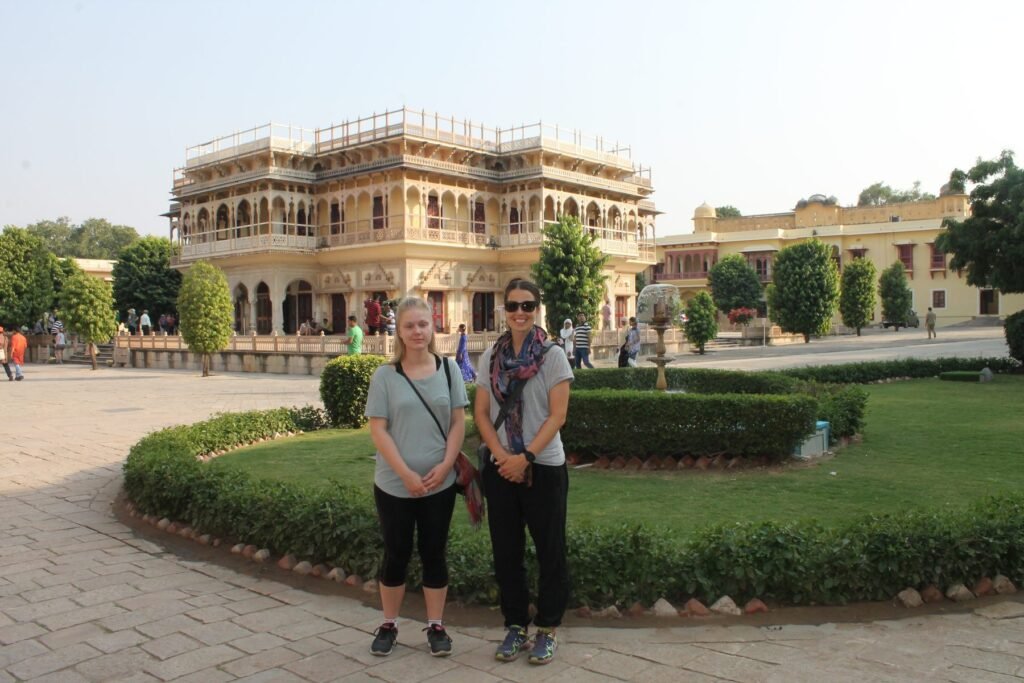
The Taj Mahal deserves its fame, but India has dozens of UNESCO World Heritage Sites and thousands of years of history to explore. Delhi alone has three: the Red Fort, Humayun’s Tomb and the Qutub Minar. Jaipur adds Amber Fort, the Jantar Mantar observatory and its walled Pink City, and beyond them are the Golden Temple in Amritsar, the ghats of Varanasi, the Himalayas, the deserts of Rajasthan and the beaches and backwaters of the south.
Our weekend trips cover several of the highlights, and our list of heritage sites that aren’t the Taj Mahal has plenty more.
7. “Nobody speaks English”
English is widely used in India, especially in cities. It’s an official language of the central government alongside Hindi, many schools and universities teach in it, and in Delhi you’ll find it on road signs, menus and Metro announcements. Fewer people speak it outside the big cities and tourist areas, but someone nearby usually knows enough to help. Learning a few words of Hindi still makes a big difference, and our Hindi and culture week is a good place to start.
8. “Everywhere is crowded”
With more people than any other country, India can certainly feel busy, and its big cities, famous monuments and festivals are often packed. But there is plenty of space too: Himalayan villages, the high desert of Ladakh, quiet backwaters, small Rajasthan towns like Bundi, and national parks where the only crowd is a herd of deer. Even in Delhi, arrive at a monument when it opens, or walk in Lodhi Garden on a weekday morning, and you’ll find calm.
9. “India is all poverty”
India has real poverty, and as a volunteer you will see some of it. But that is only part of the picture. India is one of the world’s largest economies, with a huge middle class, leading universities and tech companies, a space program that has landed a spacecraft near the Moon’s south pole, and some of the world’s liveliest art, music, film and food. Literacy has risen enormously over the decades, and the law guarantees free schooling for children aged 6 to 14, even if many still miss out.
The projects we work with are run by local people who know their communities best, and volunteers support their work rather than replace it. If you’d like to help, see our programs in Delhi and Jaipur.
Still have questions about traveling in India? Email info@volunteeringindia.com and our team in Delhi will be glad to answer them.