
India is big enough to have every kind of weather at once. While the Himalayas are under snow, Goa is warm enough for the beach. So before you pack for a volunteering trip, look up the weather where you will actually be.
Volunteering India’s programs are in Delhi and Jaipur, in the north. From December to February both cities have sunny, pleasant days, around 18 to 20°C, but mornings and nights are cold, dropping to a few degrees above freezing in Delhi, and most buildings have no heating. Pack for both.
Here is what we suggest bringing for winter break 2026, from the clothes to the small things volunteers always wish they had packed.
A few packing rules first
- Layer, don’t bulk. A couple of light layers do more than one heavy coat, and dry faster.
- Wear your bulkiest things on the plane. Your jacket and boots take up less room on you than in your bag.
- Pack for your length of stay. Laundry is easy and cheap in India, so a week’s worth of clothes is enough even for a long trip.
- Stick to neutral colors. Fewer pieces that go together save space.
- Don’t over-pack medicines. Pharmacies are everywhere in Delhi and Jaipur, and pharmacists can help with everyday problems such as a cold or an upset stomach.
Winter clothes for North India
Volunteers are up early for project days and often out late at weekends, which is when it is coldest. You will want:
- A couple of thin sweaters or flannel shirts
- A fleece or sweatshirt for layering
- A warm jacket for early mornings, evenings and overnight trains
- A scarf or shawl, which also covers your head at temples and gurdwaras
- Warm sleepwear and a pair of thermals
- Loose, long trousers or long skirts that cover your knees
- Long-sleeved tops and cotton shirts for the warm afternoons
- Woolen socks, a hat and light gloves
At your project, dress modestly: shoulders covered and trousers or skirts below the knee. You can buy comfortable kurtas cheaply at the local markets.
Footwear
- Comfortable closed shoes or trainers for project days and sightseeing
- Flip-flops or sliders for the shower and around the house
- Shoes that slip on and off easily: you take them off at temples and in many homes
- Ankle boots, if you plan to travel somewhere colder, such as the Himalayan foothills
A small health kit
Bring any prescription medicines you take, in their original packaging, with enough for your whole trip. A travel clinic can advise on vaccinations and anything else you should carry; see them six to eight weeks before you leave. Beyond that, a small kit is plenty:
- Plasters, antiseptic cream and wipes, which are handy when you work with children
- Insect repellent
- Oral rehydration salts
- Your usual painkillers and something for travel sickness
- Hand sanitizer
If you feel unwell, tell your coordinator. Our team can help you see a doctor, and you can reach them at any hour.
The essentials volunteers always mention
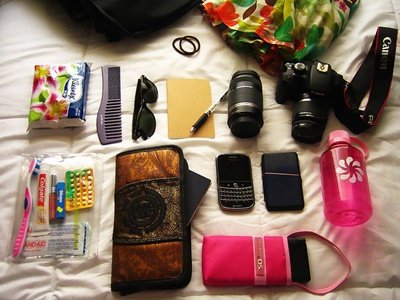
- A pack of tissues and wet wipes. Public toilets don’t always have paper.
- A refillable water bottle. Filtered drinking water is available at our accommodation; fill up before you head out.
- A mask for the air. Delhi’s air quality is often poor in winter. If you have asthma or are sensitive to pollution, bring good-quality masks and check the daily air-quality index.
- A plug adapter. India uses 230-volt sockets, mostly type C, D and M.
- A quick-dry travel towel for weekend trips. Bedding is provided at our accommodation, but bring your own towel.
- A small day pack for project days and weekend sightseeing.
- Ziplock bags, which are always useful.
That’s it. Pack light, leave room for the scarves and spices you will bring home, and you will be ready for a winter in India.
Not booked yet? See our programs in Delhi and Jaipur and dates and prices, or email info@volunteeringindia.com with any questions.