
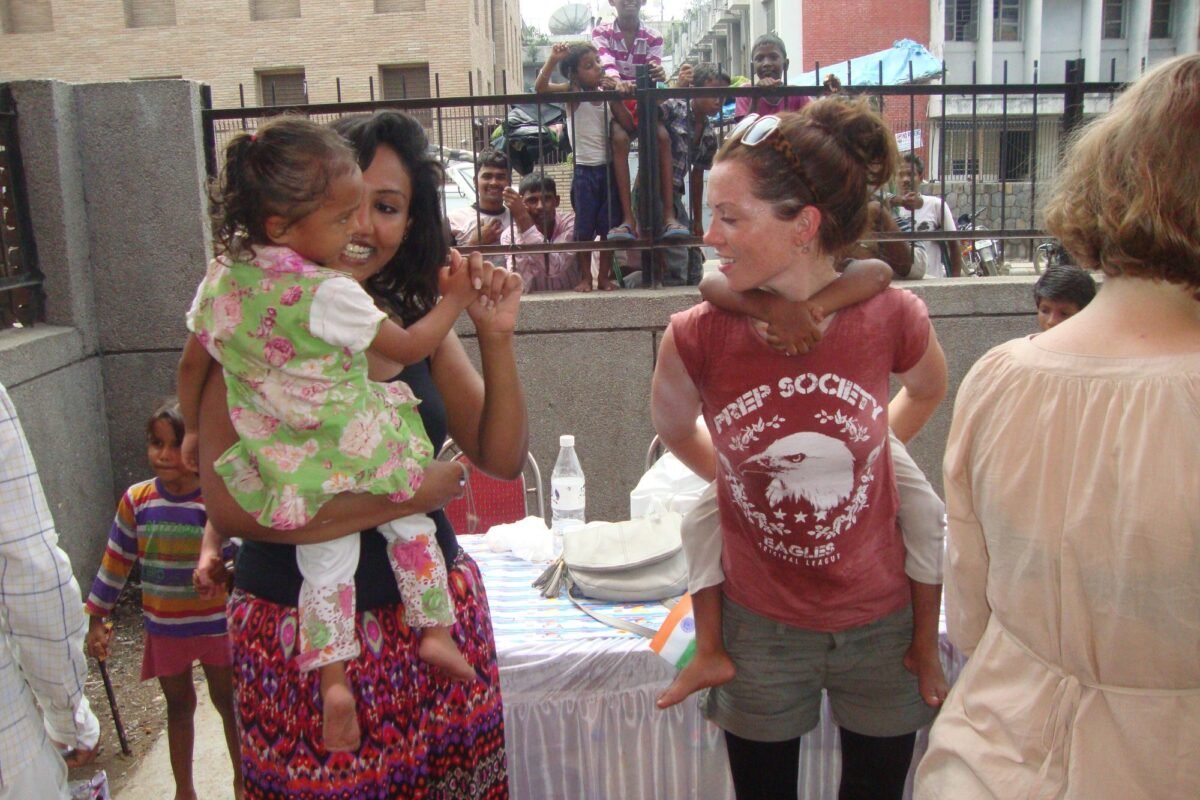
Spring is festival season in India. As the winter chill lifts in the north, Hindus, Sikhs, Parsis and others welcome the new season with color, music, processions and feasts, and visitors are usually welcome to join in. If you are volunteering in March, perhaps on an alternative spring break, you are likely to catch at least one of these.
Most Indian festivals follow the lunar calendar, so their dates move from year to year and can slip into late February or April. Check the dates for your year before you book, and ask your coordinator what is happening during your stay.
Holi
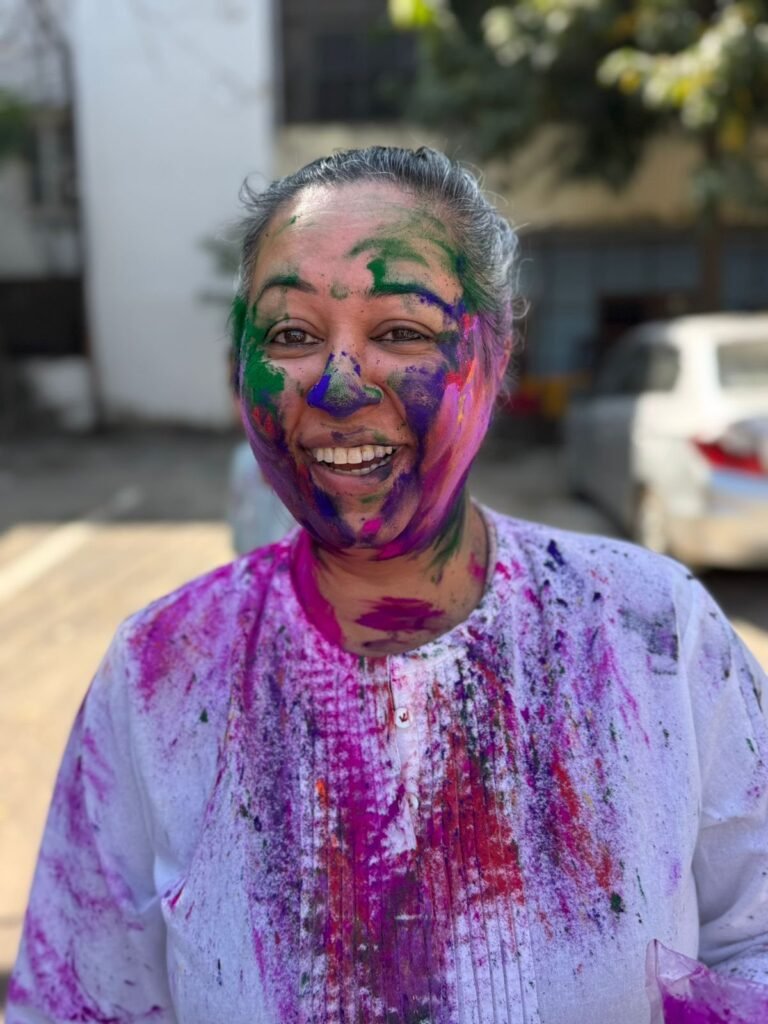
The festival of colors usually falls in March, on the full moon of the Hindu month of Phalgun. It welcomes spring and celebrates the victory of good over evil. On the eve of Holi, bonfires are lit for Holika Dahan; the next morning, everyone takes to the streets to smear colored powder on friends, neighbors and strangers, with water pistols and balloons for good measure. If you are here at Holi, you may well celebrate it with the children and staff at your project.
Around Mathura and Vrindavan, south of Delhi, the celebrations stretch over days, including Lathmar Holi in Barsana, where women playfully chase the men with sticks. Wherever you are, wear old clothes, rub oil into your skin and hair so the color washes out, protect your eyes and phone, and stay with friends, as crowds can get rowdy. Bhang, a cannabis drink traditionally served at Holi, is much stronger than it tastes, so give it a miss.
Gangaur, Jaipur
The day after Holi, women in Rajasthan begin Gangaur, an 18-day festival honoring the goddess Gauri, or Parvati, and her marriage to Shiva. Married women pray for their husbands’ well-being and unmarried girls for a good match, and many make clay figures of the goddess and dress in their finest saris and jewelry. In Jaipur, it ends with a procession from the City Palace through the old city, with folk dancers, bands and the goddess carried in a palanquin. Gangaur usually falls in March or early April, and it is one of the best times to be in Jaipur.
Hola Mohalla, Punjab
Sikhs celebrate the day after Holi with Hola Mohalla, a festival started by Guru Gobind Singh in 1701 at Anandpur Sahib in Punjab. Over several days, Nihang Sikhs in blue robes show off gatka (traditional sword fighting), horsemanship and mock battles, and langars serve free meals to the huge crowds. It usually falls in March, occasionally late February, and works as an overnight trip from Delhi.
Maha Shivaratri
The “great night of Shiva” falls in February or March. Devotees fast, stay awake through the night and offer milk, water and leaves at Shiva temples, which stay open and busy until dawn. Varanasi, Shiva’s own city, is the most atmospheric place to see it; if your dates line up, our Varanasi weekend takes you there by overnight train.
New year festivals
In March or April, the Hindu lunar new year is celebrated as Ugadi in Karnataka, Andhra Pradesh and Telangana, as Gudi Padwa in Maharashtra and as Cheti Chand by Sindhi families, with special foods and decorated doorways. In the north, the same day begins Chaitra Navratri, nine nights of fasting and worship that end with Ram Navami, the birthday of Lord Rama. Around the spring equinox, on or near 21 March, Parsi and Irani families, mostly in Mumbai and Gujarat, celebrate Jamshedi Navroz, the Persian New Year.
International Yoga Festival, Rishikesh
Every March, the Parmarth Niketan ashram in Rishikesh, in the Himalayan foothills, holds a week-long International Yoga Festival with classes, talks and meditation sessions, including plenty for beginners. Rishikesh is about six hours from Delhi, so it makes a good independent trip if yoga is your thing. Book your room early, as the town fills up.
Joining in respectfully
- At Holi, ask before you put color on someone, especially older people, and accept with good grace when it is your turn.
- Dress modestly at religious events, and cover your head at gurdwaras and some temples.
- Festivals mean crowds, packed trains and some closures. Holi is a public holiday, so your project may close for the day.
- Ramadan and Eid follow the Islamic lunar calendar and move about 11 days earlier each year, so check whether they fall during your stay too.
Want to be here for Holi or Gangaur? Delhi programs start on two Sundays a month and Jaipur programs every Sunday. See dates and prices, or email info@volunteeringindia.com.