
The Taj Mahal deserves every bit of its fame, and almost every volunteer makes the trip to see it. But it is one of dozens of monuments in north India that tell the story of the Mughal emperors, the Rajput kings and the faiths that shaped the country, and many of them are within a day trip or a weekend of our projects in Delhi and Jaipur.
Here are 10 to fit into your free days, most of them UNESCO World Heritage Sites.
1. Humayun’s Tomb, Delhi
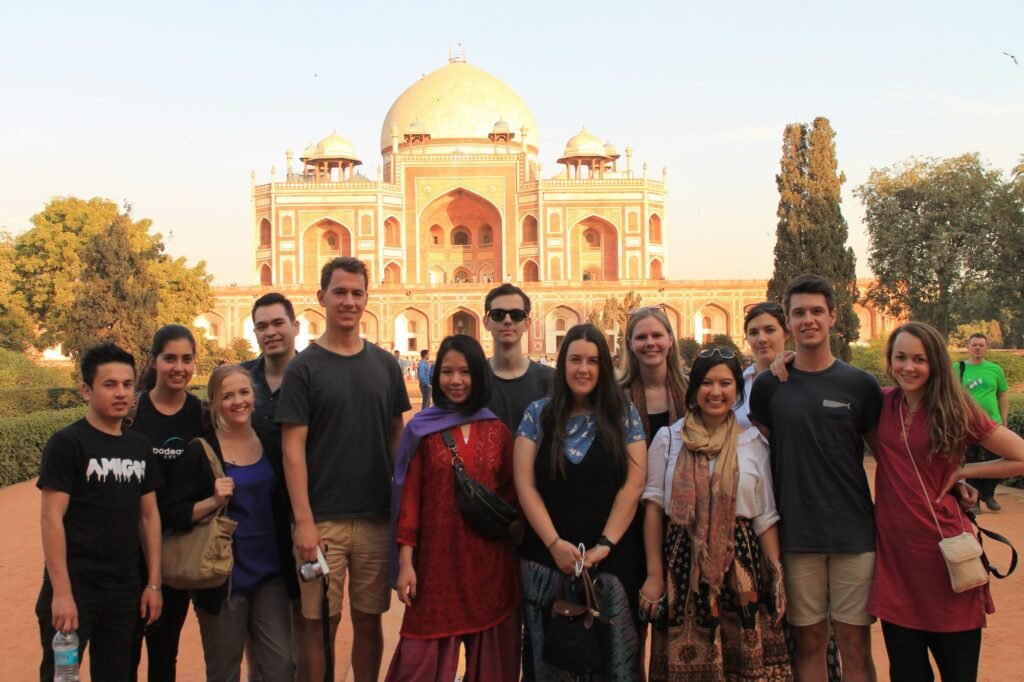
Completed around 1570 for Humayun, the second Mughal emperor, this was the first great garden tomb on the Indian subcontinent. Its red sandstone and white marble, double dome and four-part garden became the model the Mughals refined all the way to the Taj Mahal. Come in the late afternoon, when the stone turns warm and the lawns fill with families. It is one of the stops on the guided Delhi day of our Hindi and culture week.
2. Qutub Minar, Delhi
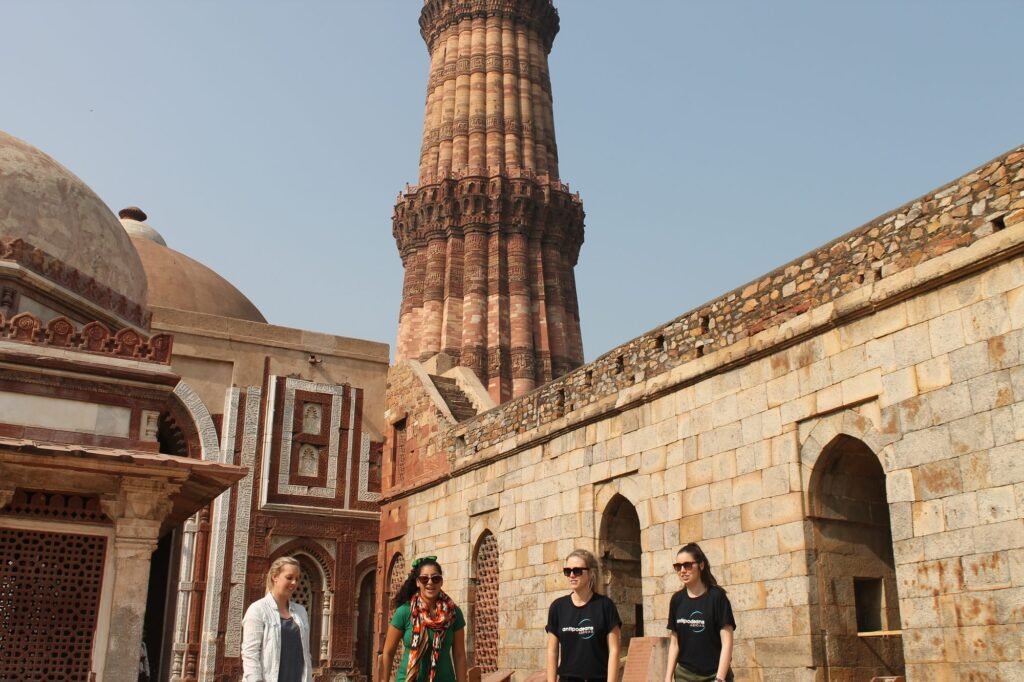
Work on this fluted tower began around 1200, soon after Delhi came under its first Muslim rulers, and their successors added the upper stories until it reached 72.5 meters. The ruins around it include one of the earliest mosques in India, built partly from the carved stones of older Hindu and Jain temples, and an iron pillar more than 1,500 years old that has barely rusted. The complex is in south Delhi, near Qutub Minar Metro station.
3. Red Fort and Jama Masjid, Delhi
Shah Jahan, the emperor who built the Taj Mahal, moved his capital to Delhi and finished this vast sandstone palace-fort in 1648. Every year on Independence Day, 15 August, India’s prime minister raises the national flag here and speaks to the nation.
A short walk away, Shah Jahan’s Jama Masjid is one of India’s largest mosques. Visitors are welcome outside prayer times if they cover their arms and legs and leave their shoes at the steps. Then head into the lanes of Chandni Chowk for lunch.
4. Agra Fort
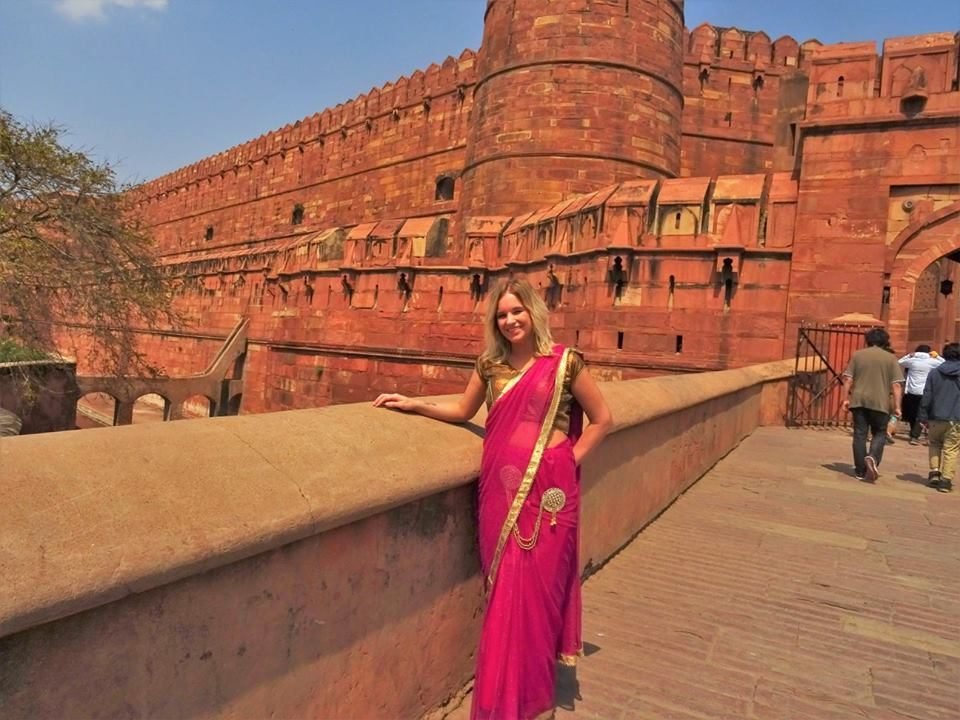
A couple of kilometers along the Yamuna from the Taj Mahal, Agra Fort was begun by Akbar in 1565, and his grandson Shah Jahan added its white marble palaces. It became Shah Jahan’s prison, too: his son Aurangzeb seized the throne and confined him here for the last years of his life, within sight of the tomb he had built for his wife. You can add the fort to our Taj Mahal day trip from Delhi.
5. Fatehpur Sikri
About 40 kilometers west of Agra, Akbar built a complete capital city of red sandstone in the 1570s, then moved his court away little more than a decade later. Its palaces, courtyards and great mosque still stand almost intact. Walk through the huge Buland Darwaza gateway to the white marble tomb of the Sufi saint Salim Chishti, where visitors tie threads to the carved screens when they make a wish. It lies on the road from Agra to Jaipur.
6. Keoladeo National Park, Bharatpur
Not every heritage site is a building. This wetland was once the duck-shooting reserve of the maharajas of Bharatpur; today it is a national park, a natural World Heritage Site and one of India’s best-known bird sanctuaries. From about November to February, herons, storks, pelicans and flocks of ducks arrive, many of them migrants from Central Asia and Siberia. Rent a bicycle or hire a cycle-rickshaw whose rider knows the birds, and go early in the morning. Bharatpur is roughly an hour’s drive west of Agra, on the way to Jaipur.
7. Amber Fort, Jaipur
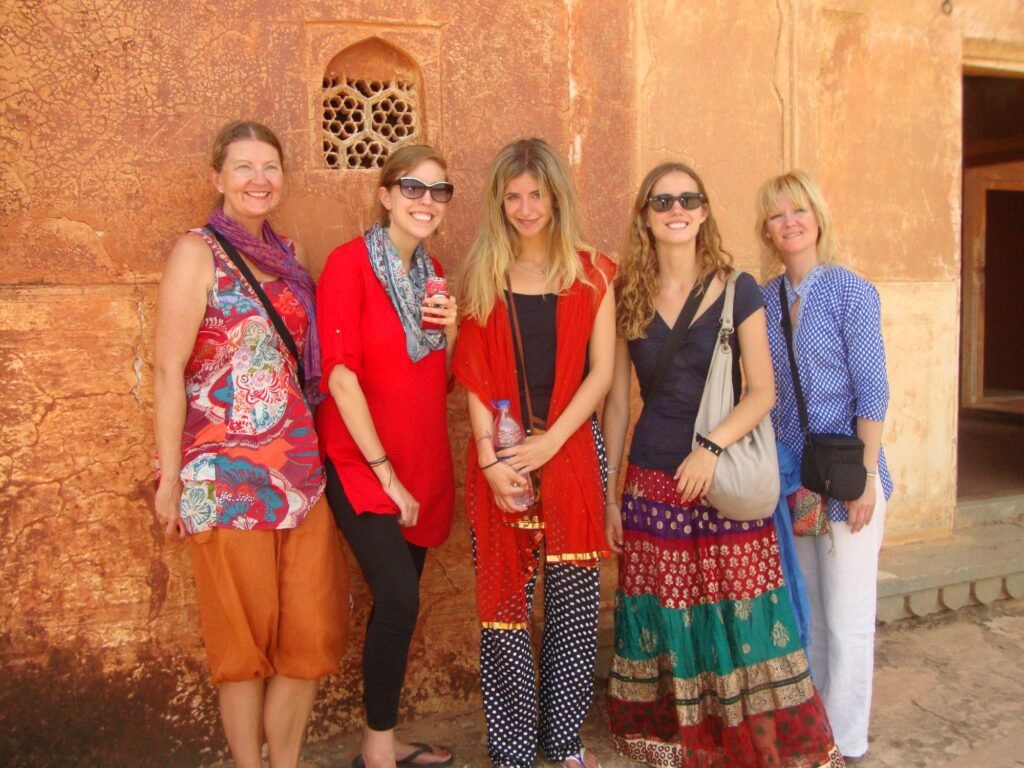
Raja Man Singh I began this hilltop palace in the 1590s, and his successors spent the next century and a half adding courtyards, gardens and the Sheesh Mahal, a hall set with thousands of tiny mirrors. It looks down on Maota Lake about 11 kilometers from the center of Jaipur, and it is one of the six Hill Forts of Rajasthan on UNESCO’s list. Arrive early, before the crowds and the heat. Amber Fort is part of our Golden Triangle tour, and our post on India’s great forts has more ideas.
8. Jantar Mantar, Jaipur
Beside the City Palace stands a courtyard of giant stone instruments built between 1728 and 1734 by Maharaja Sawai Jai Singh II, the founder of Jaipur, to track the sun, moon and stars. Its Samrat Yantra is the world’s largest stone sundial, and its shadow still tells the local time to within seconds. Jaipur’s is the largest of the five observatories Jai Singh built, one of them in Delhi. Take a guide, because the instruments make far more sense when someone shows you how they work.
9. The walled city of Jaipur
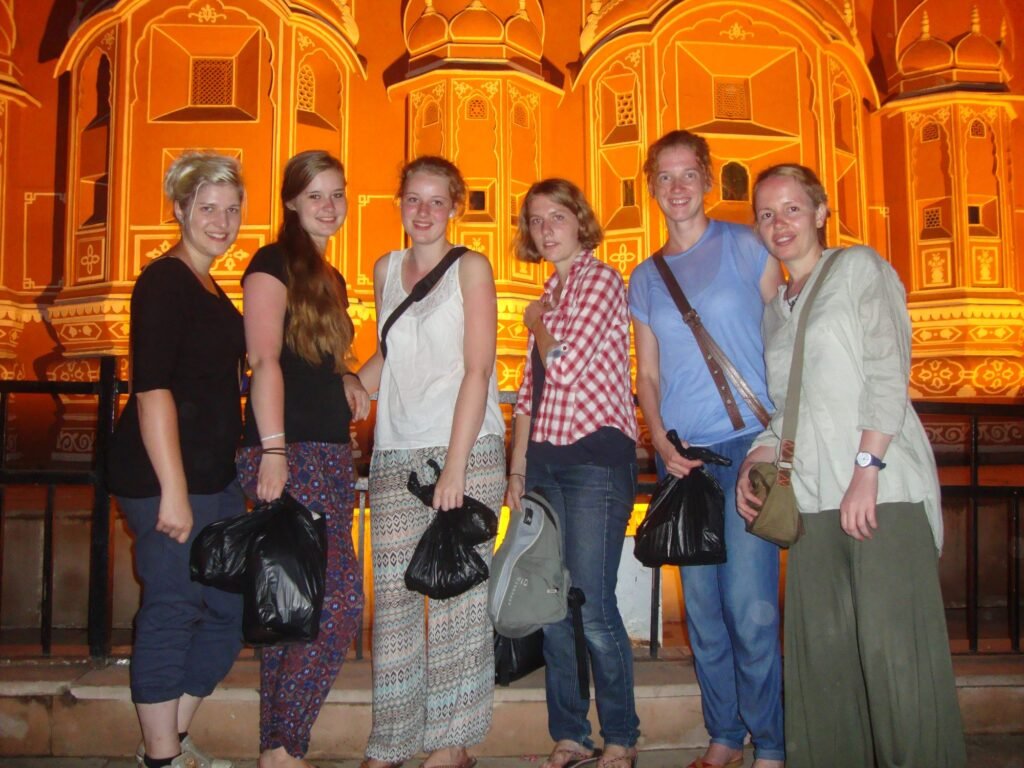
The whole old city is a World Heritage Site. Jai Singh II laid it out from 1727 on a grid of wide, straight streets, unusual for its time, and in 1876 its buildings were painted the pink that gave the Pink City its name, to welcome the Prince of Wales. Start at Hawa Mahal, the Palace of the Winds: built in 1799, its 953 small windows let the women of the court watch the street without being seen. Then visit the City Palace, still partly home to the former royal family, and explore the bazaars, from Johari Bazaar’s jewelers to the textile and slipper stalls of Bapu Bazaar. Volunteers based in Jaipur can explore it in their free time.
10. The Golden Temple, Amritsar
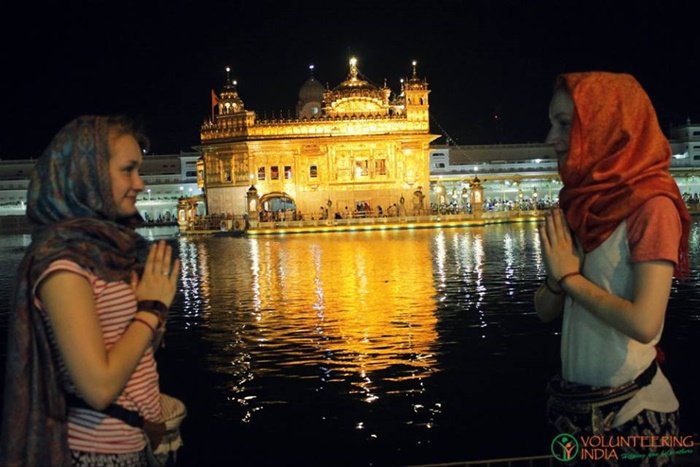
Harmandir Sahib, the holiest shrine of Sikhism, rises from the middle of a sacred pool, its upper floors covered in gold in the early 19th century. Doorways on all four sides signal that people of every background are welcome, and its langar, the free community kitchen, serves a simple meal to anyone who sits down. Cover your head, take off your shoes, and stay until after dark, when the temple glows on the water. Our Amritsar weekend includes the temple and the Jallianwala Bagh memorial garden nearby.
Tips for visiting
- Most monuments charge foreign visitors more than Indian citizens, and some close one day a week (the Taj Mahal is closed on Fridays), so check before you go.
- Go early. Mornings are cooler and quieter, especially from April to June.
- With more time, the carved temples of Khajuraho and the ruins of Hampi make memorable independent trips. Your coordinator can help you plan them.
Want to see these places between project days? Email info@volunteeringindia.com and we will help you plan your weekends.