
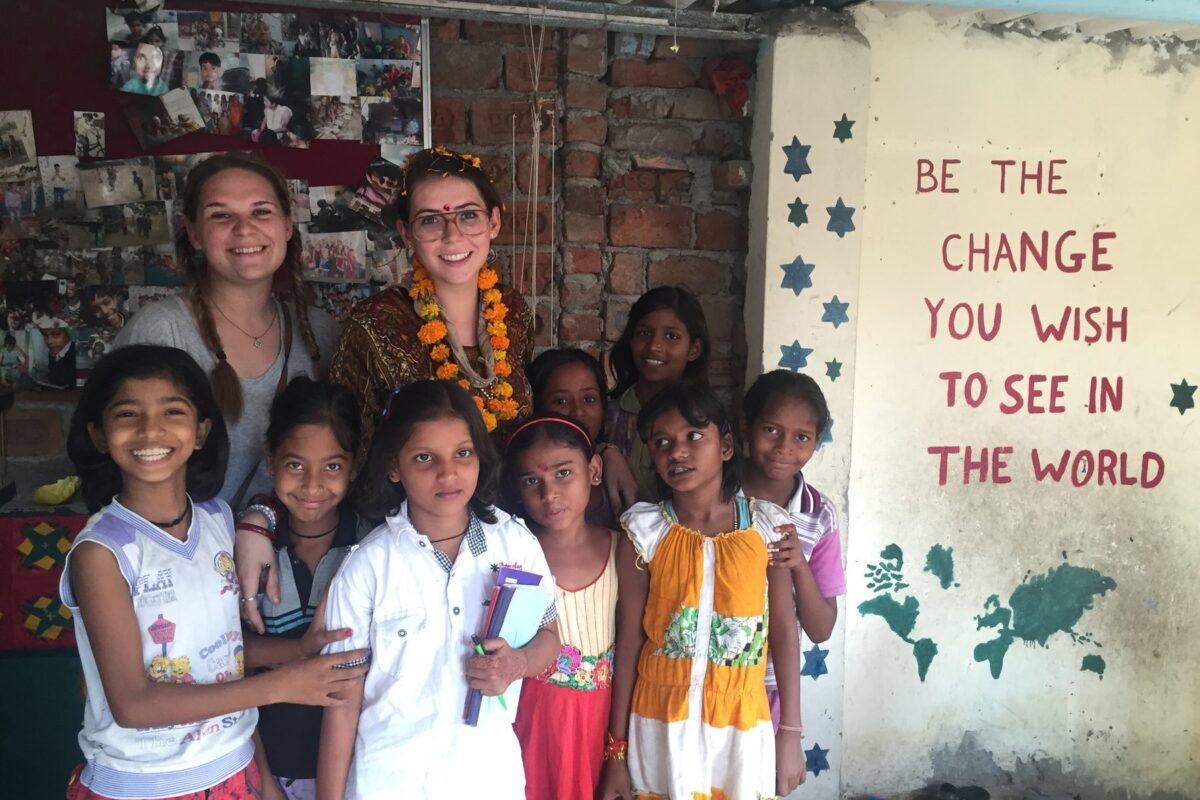
Delhi is India’s capital and a city of sharp contrasts. A few Metro stops from its malls and government buildings are neighborhoods where children work instead of going to school, where many women never learned to read, and where families can’t pay for the care a disabled child needs. Local organizations in these neighborhoods do a great deal with few resources, and they welcome volunteers who are ready to help on their terms.
Volunteering India has been welcoming volunteers to Delhi since 2004. Here are seven ways to give your time in the city, whether you have a week or several months.
1. Teach and play with street children
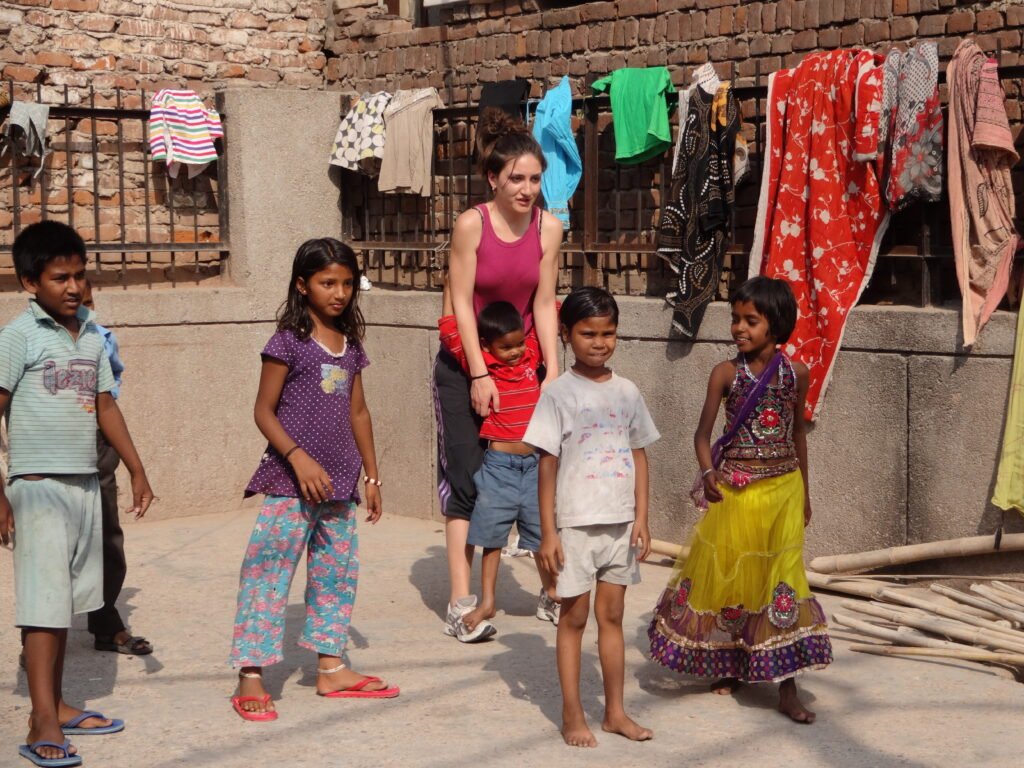
At shelter homes and non-formal education centers, children from Delhi’s slums and streets get meals, safety and a second chance at learning. Volunteers help the staff with informal lessons in English, numbers and general knowledge, and with art, music, sport and games. Much of the value lies in attention: listening to a child read, or noticing who has fallen behind. No teaching experience is needed; patience and imagination count for more. Project days run Monday to Friday, about 10am to 4pm, and you can join from age 17.
2. Support women and girls
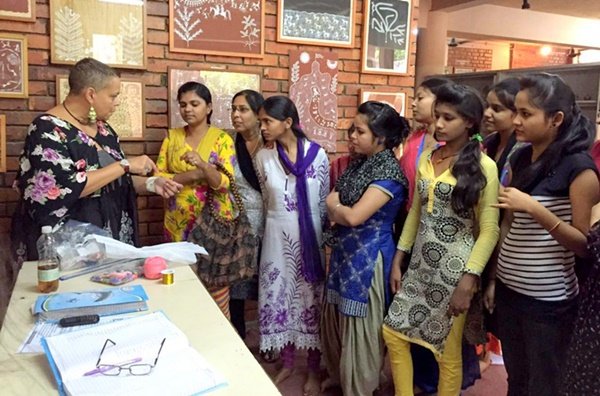
Community centers run by local NGOs in Delhi’s urban slums teach women and teenage girls skills that many never had the chance to learn. Most volunteers teach spoken English to young women aged about 17 to 20, which can help them find work. You can also help with literacy and computer classes and, if you can sew, embroider or do beauty work, with the vocational classes that help women earn an income. Classes are in English, so you don’t need any Hindi. From age 17.
3. Help children and young adults with special needs
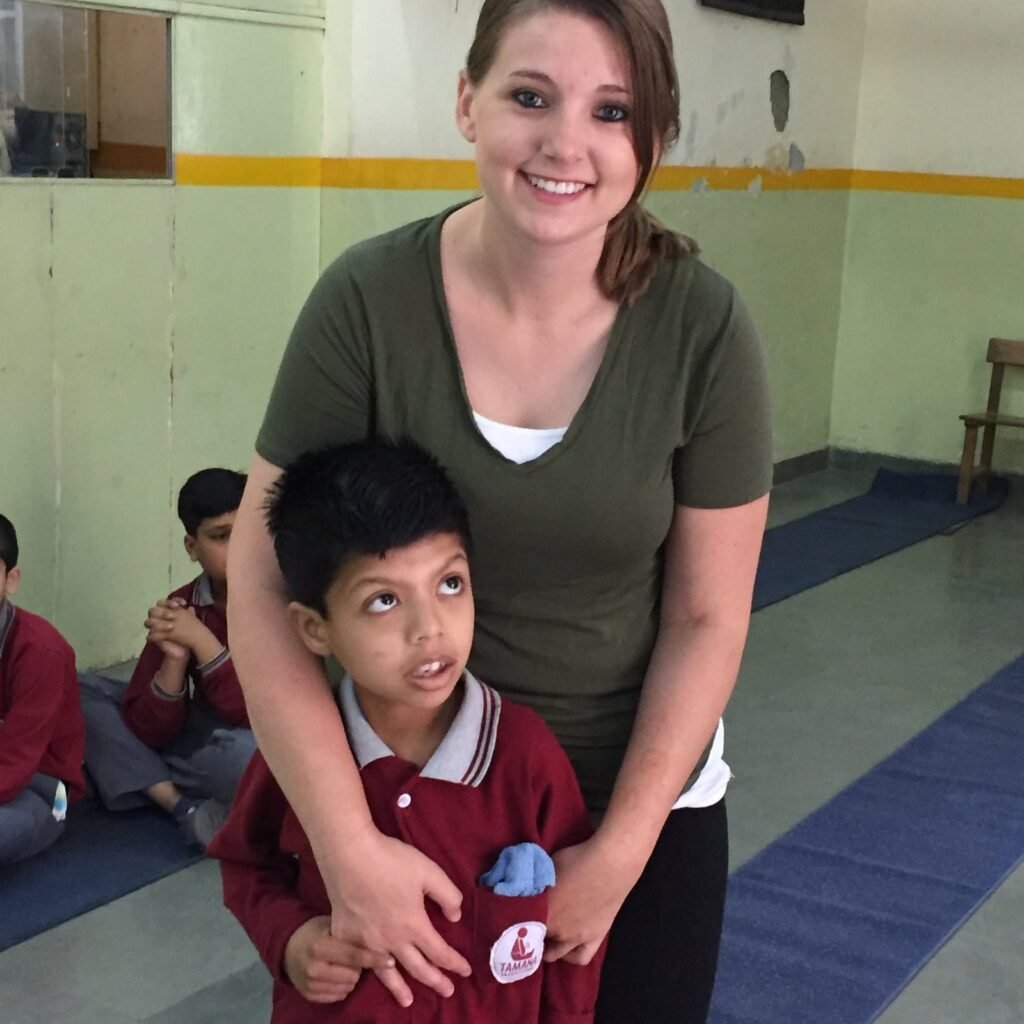
This project spans three centers: a special education center, a skill development center for teenagers and young adults, and a school for autistic children. Trained staff run the teaching and therapy. Volunteers help with daily routines, mealtimes and activities, and join vocational sessions such as baking, candle making and computer work. Patience and consistency matter more than experience, although qualified occupational therapists and physiotherapists may be able to support therapy sessions. From age 18.
4. Start with a Hindi and culture week
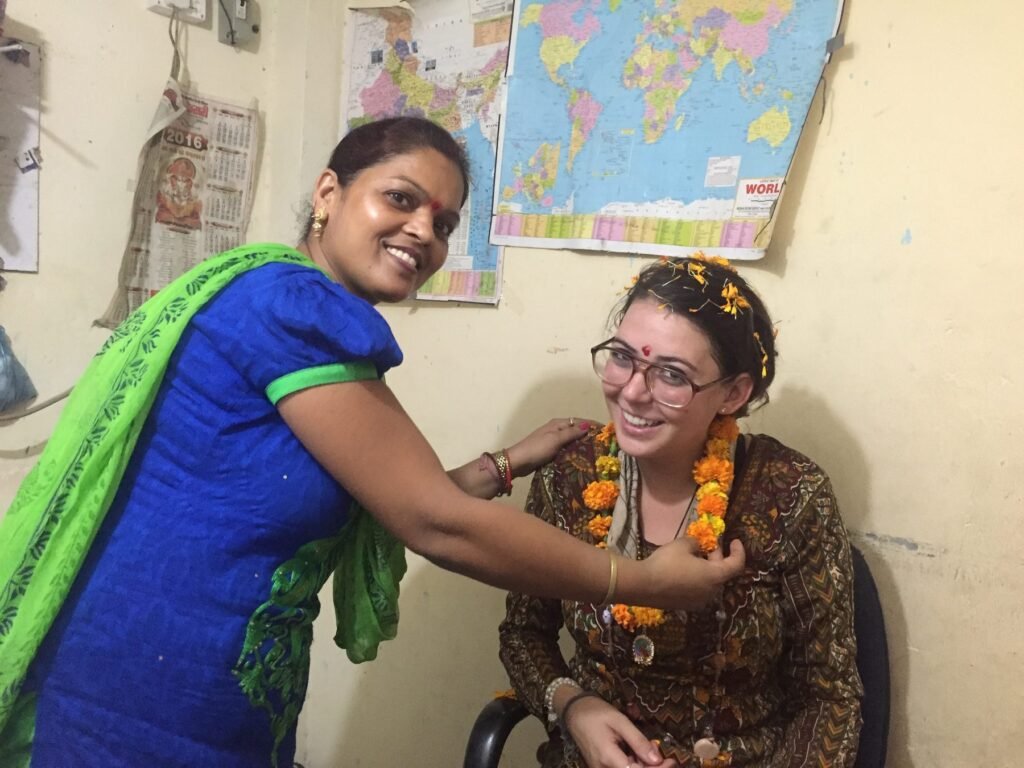
The better you understand India, the more useful you are at your project. This week has no project work. Instead, you take Hindi classes, talk openly with our coordinators about family life, religion and customs, see Delhi’s sights on a guided day and a temple day, and finish with a day trip to the Taj Mahal. The following week, you start your Delhi placement already knowing your way around. The week also works on its own as a short introduction to India. From age 17.
5. Make the most of two weeks
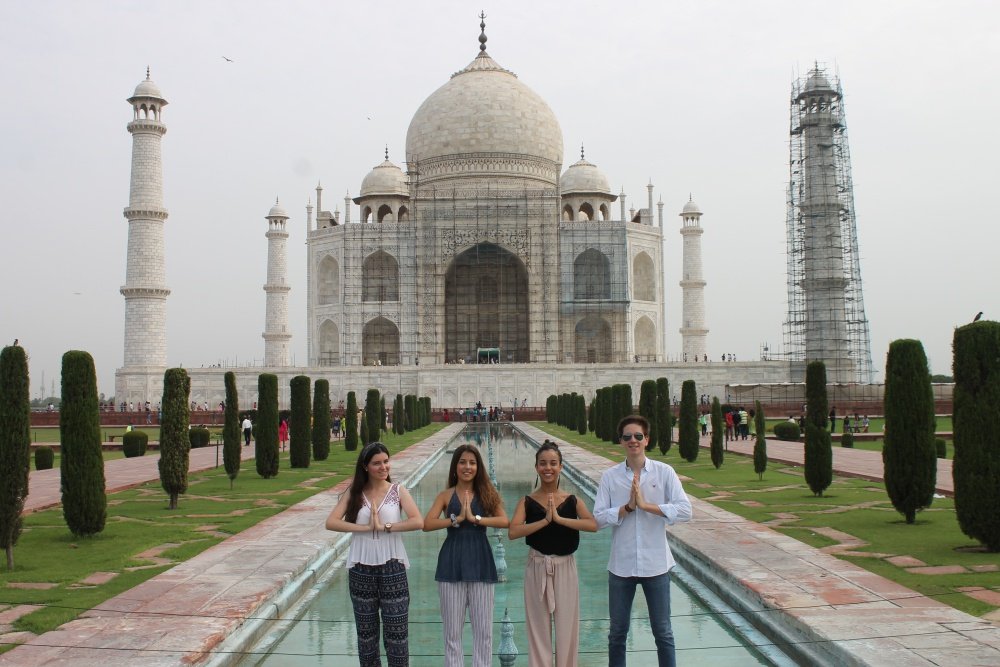
Short on time? The two-week mini break is planned from start to finish: you arrive on a Sunday and fly home on the second Saturday. You spend eight days with children at shelter homes and day-care centers, take a guided tour of Delhi’s monuments and spend a day at the Taj Mahal in Agra. Bring a few ready-made activities, such as a song with actions, a simple game or a craft that needs only paper, and you will be useful from your first morning. From age 17.
6. Combine childcare with elephant rescue
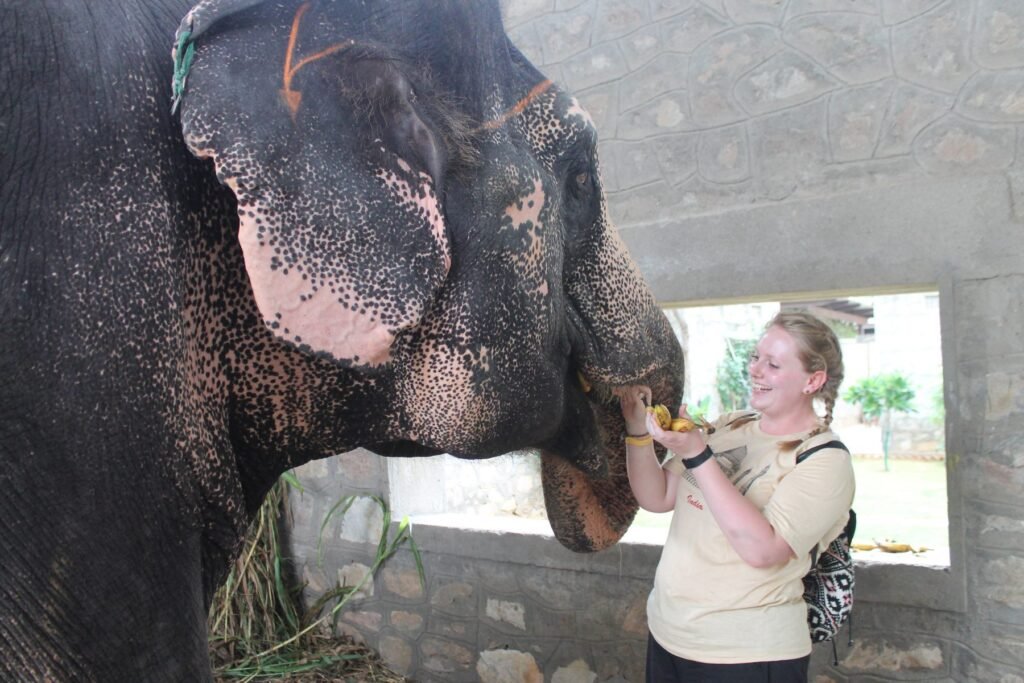
This 15-day program starts with a week at children’s projects in Delhi, then takes you by train to Agra for the Taj Mahal and three days at a rescue center for elephants, where trained keepers and vets care for the animals. You help the keepers prepare food, build enrichment and look after the grounds, and you walk alongside the elephants with their keepers. There is no riding, no performing and no bathing or hugging the elephants. The trip ends with sightseeing in Jaipur. From age 17.
7. Gain hospital experience
Students of medicine, nursing, dentistry and physiotherapy, and pre-med students, can join a private hospital in Delhi for two weeks or more. You shadow doctors, nurses and other professionals and rotate through three or four departments you choose, from emergency and internal medicine to surgery and radiology. The internship is mainly observation, and how hands-on you get depends on your training and your supervisor. From age 18. Our guide to how the medical internship works has the details.
Practical details
Delhi programs start on two Sundays a month, and most run from one week to 18 weeks. You live at our hostel in South Delhi with volunteers from other projects, a few minutes’ walk from the Metro, with vegetarian breakfast and dinner from Monday to Saturday. Projects run Monday to Friday, so evenings and weekends are free for exploring.
Programs start from $495 for one week; see dates and prices for each program. To find the right way for you to make a difference, email info@volunteeringindia.com.