
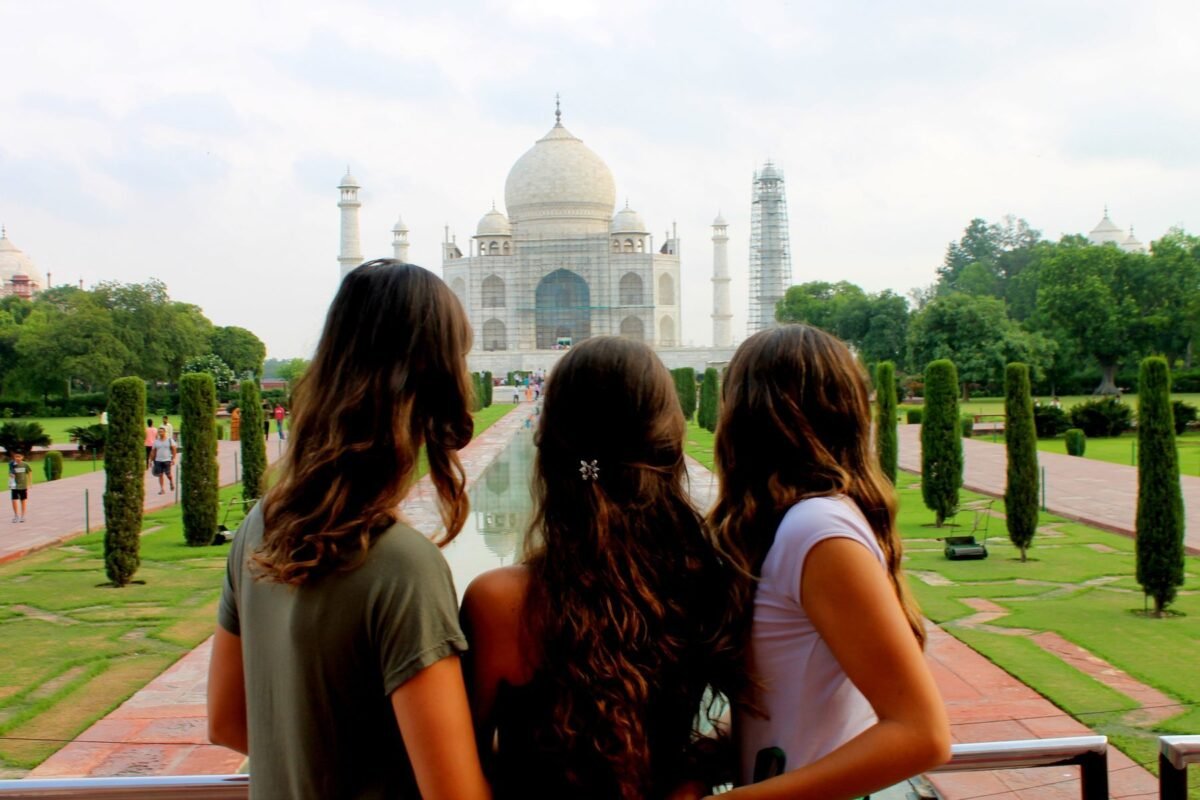
A gap year is a rare stretch of time without a timetable, and few countries repay time as generously as India. A two-week vacation shows you the highlights. A few months lets you settle into a neighborhood, learn enough Hindi to bargain at the market and travel at a pace that leaves room for surprises.
Volunteering for part of that year gives it shape and purpose. Here is why India works so well for a gap year, and how to plan yours.
Stay long enough to make a difference
Short placements help, but the children at a shelter home or the young women in an English class get the most from volunteers who stay. In Delhi you can stay for up to 18 weeks, and in Jaipur for up to 12, long enough to become part of the routine and see real progress.
Programs that suit a longer stay include:
- street children and women’s empowerment in Delhi;
- slum schools and construction and renovation in Jaipur;
- special needs care in Delhi, and teaching or childcare in Jaipur, if you are 18 or over.
New placements begin on two Sundays a month in Delhi and every Sunday in Jaipur, so it’s easy to fit one around the rest of your plans.
Start with the Hindi and culture week
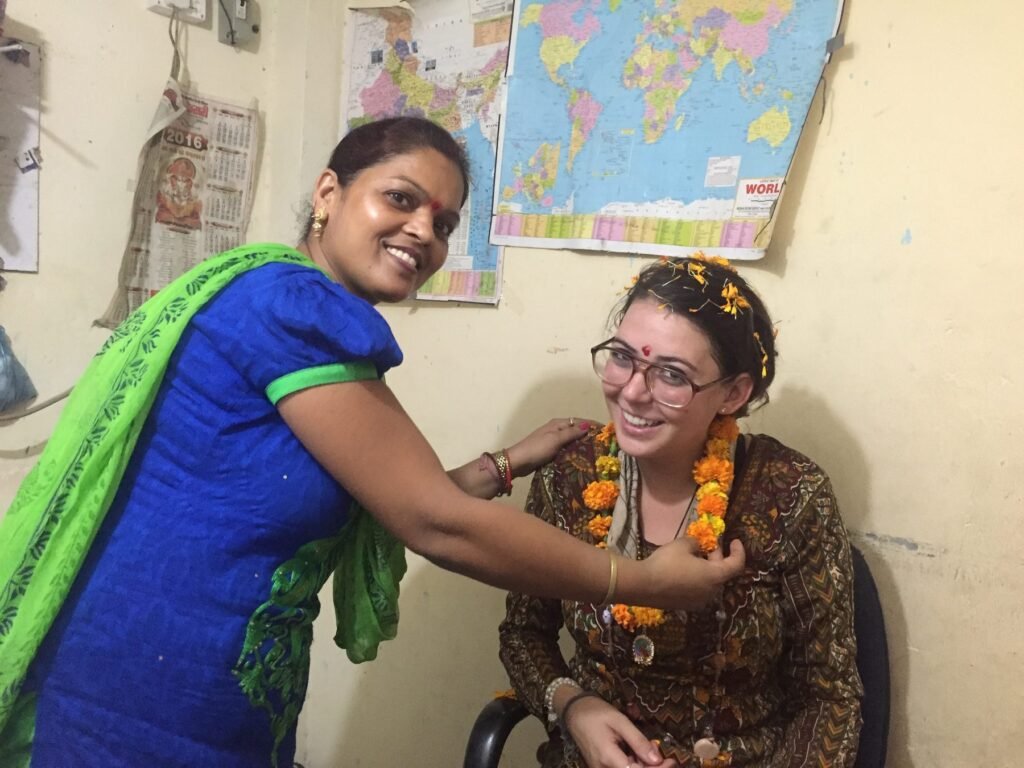
If India is new to you, the Hindi and culture week is a gentle way in. You spend a week in Delhi taking Hindi classes from scratch, asking your coordinator anything you like about family life, religion and festivals, visiting New Delhi’s monuments and temples, and finishing with a day trip to the Taj Mahal. There’s no project work, and it makes a good start before a Delhi placement.
Gain experience that stands out
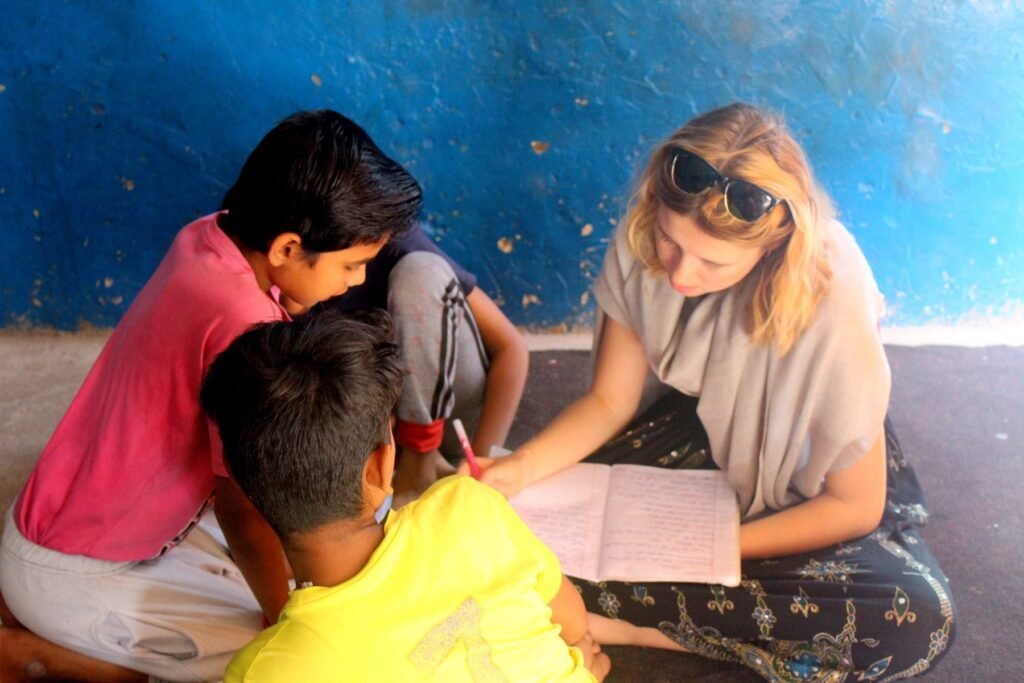
Whether you’re heading to college or into work, a gap year spent volunteering gives you something concrete to talk about. You learn to run an activity for children of different ages with almost no materials, to explain yourself without a shared language and to work alongside local staff who do things their own way. Those skills look good on a résumé or a college application, and we can provide a certificate of participation on request.
If you’re a pre-med, medical, nursing, dentistry or physiotherapy student, our medical internship lets you observe at a private hospital in Delhi from two weeks.
Get to know India’s history and culture
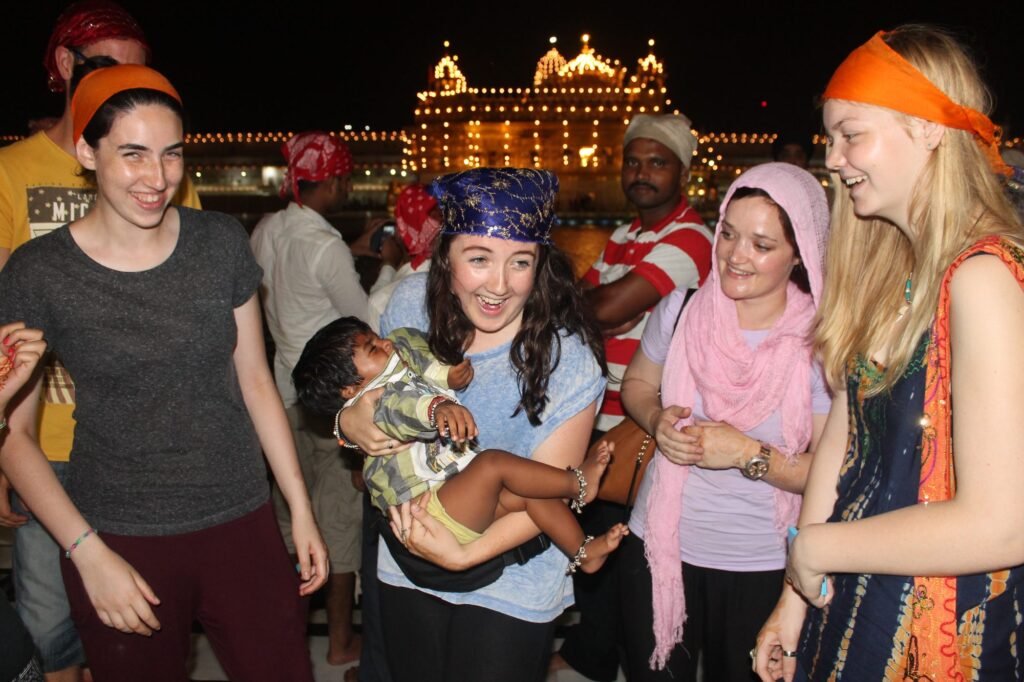
History is everywhere. In Delhi and Agra, you can see the tombs, forts and mosques of the Mughal emperors, the Taj Mahal among them. In Rajasthan, the forts and palaces of the Rajput rulers tower over cities like Jaipur. Amritsar is home to the Golden Temple, Sikhism’s holiest shrine, and just outside Varanasi lies Sarnath, the deer park where the Buddha began teaching.
Travel further and you’ll find the Portuguese-era churches of Goa, the French quarter of Pondicherry and the Buddhist monasteries of the Himalayas. Festivals bring it all to life: Holi, the festival of colors, usually falls in March, and Diwali, the festival of lights, in October or November. Even a few words of Hindi, spoken widely across the north, make every encounter warmer.
Travel before or after your placement
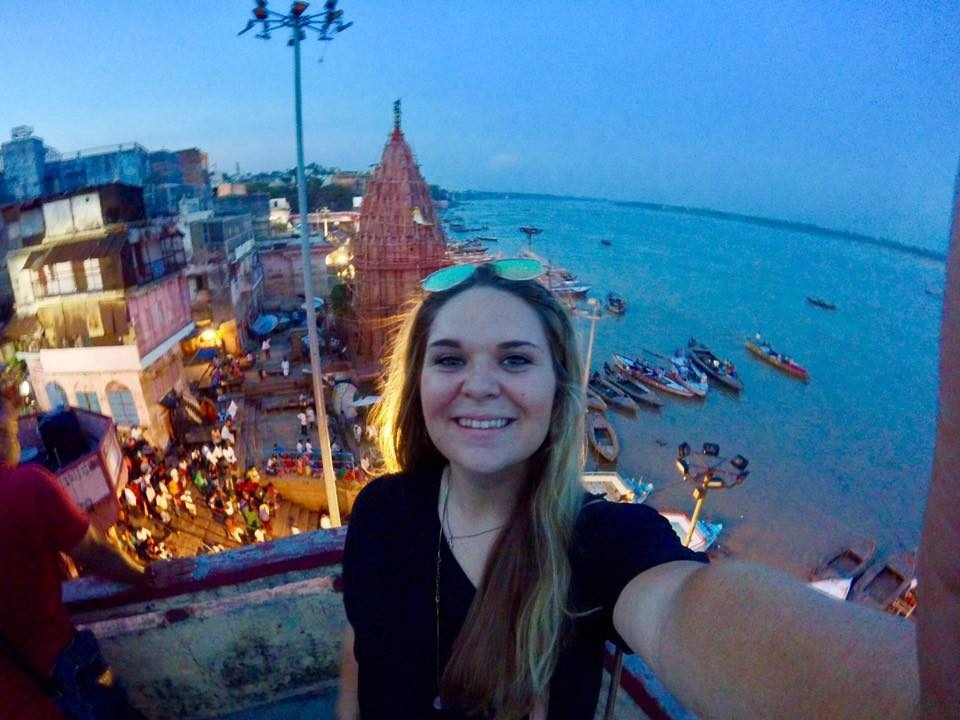
A gap year leaves time to travel on your own before your placement starts or after it ends. While you volunteer, our weekend trips cover the classic journeys from Delhi: the Taj Mahal, the Golden Triangle, Jaipur, Amritsar and Varanasi. For the weeks around your placement, here are a few ideas for independent travel:
- More of Rajasthan: the blue old city of Jodhpur, the desert around Jaisalmer, the lakes of Udaipur and tiger safaris at Ranthambore National Park.
- The mountains: Rishikesh on the Ganges, where many travelers take yoga classes; McLeod Ganj, for Tibetan culture; and the high valleys of Spiti and Ladakh, best visited in summer.
- The east: the tea gardens and historic toy train of Darjeeling, the mountain lakes of Sikkim and the mangrove forests of the Sundarbans.
- The west and south: the white salt desert of the Rann of Kutch in the cooler months, the temple ruins of Hampi, the beaches of Goa, the backwaters of Kerala and the Andaman Islands.
These trips are independent travel rather than part of our programs. Ask your coordinator for advice as you plan them, and check that your insurance covers them too.
Make friends from around the world
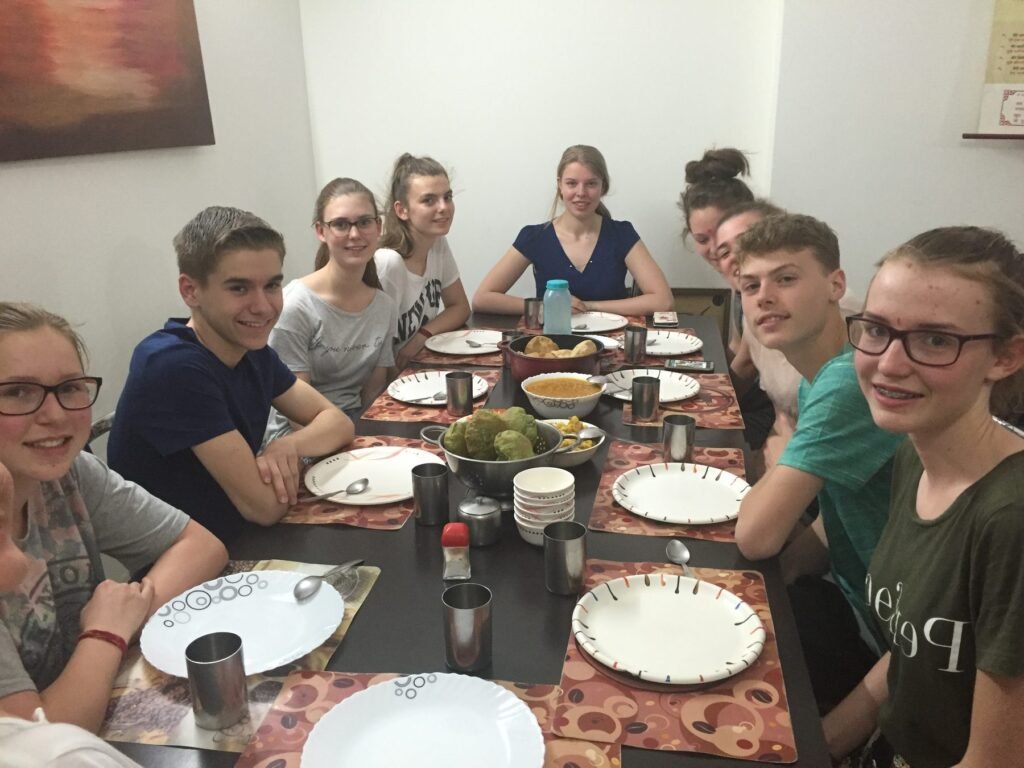
Volunteers have come to us from more than 30 countries since 2004. You share your accommodation with volunteers from other projects, compare notes over dinner and plan weekend trips together. It’s an easy way to find travel companions for the months after your placement.
Planning your gap year in India
- When to go: the dry, mild months from October to March are the most comfortable for travel. April to June is the hottest stretch, and the monsoon usually lasts from July into September. Our programs run all year.
- Visa: most volunteers get an Indian e-Visa online ahead of the trip. For a long trip, check the official Indian government website to see which visa covers your whole stay, since the rules change. Your passport should stay valid for six months beyond your return date and have two blank pages. We send visa guidance once you’ve booked.
- Insurance: travel and medical insurance is compulsory and should cover your whole trip, including any independent travel. See what your policy should cover.
- Budget: programs start from $495 for one week, covering your accommodation, meals as listed, airport pickup and support. See dates and prices, and budget separately for independent travel.
- Booking: apply online and secure your place with a booking deposit, which counts toward your total price rather than adding to it. The rest is due 45 days before your start date.
Ready to start planning? Email info@volunteeringindia.com with your dates and interests, and we’ll help you shape a gap year in India that suits you.