
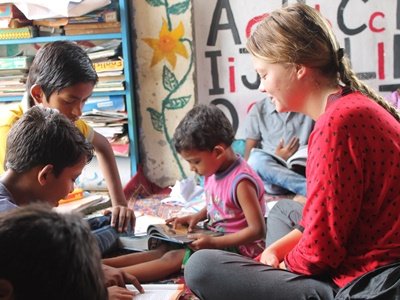
On a weekday morning in Delhi, children start arriving at a small education center in their neighborhood. Some have never been enrolled in school. Others spent their days working or begging and are now trying to catch up. The staff achieve a lot with very little, but there is always more to do than hands to do it.
That gap is where volunteers come in. Here are five reasons to spend part of your time in India with the children on our street children program, and what you can realistically expect to give and to take away.
1. Steady attention means a great deal to a child
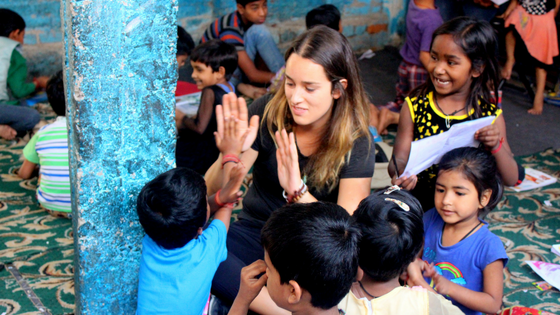
Center staff are often stretched across a room full of children of different ages and levels. There is rarely time to sit with one child while she sounds out a sentence, or to notice that the boy at the back has finally understood subtraction. As a volunteer, you can.
Most of the teaching is informal: English words, numbers, general knowledge, art, music and games. It looks like play, and a lot of it is, but a child who gets used to sitting in a group, taking turns and trying new words without fear of getting them wrong is better prepared to join or rejoin a school class. For ideas that work with mixed ages and very little English, see our post on activities for volunteering with children.
What matters most, though, is turning up. Learn the children’s names, remember who struggled with what yesterday and celebrate small wins. For children whose lives have been unsettled, a friendly adult who comes back every morning and keeps their word means a lot, which is one reason longer stays tend to be the most rewarding on both sides.
2. You back up the people who are there every day
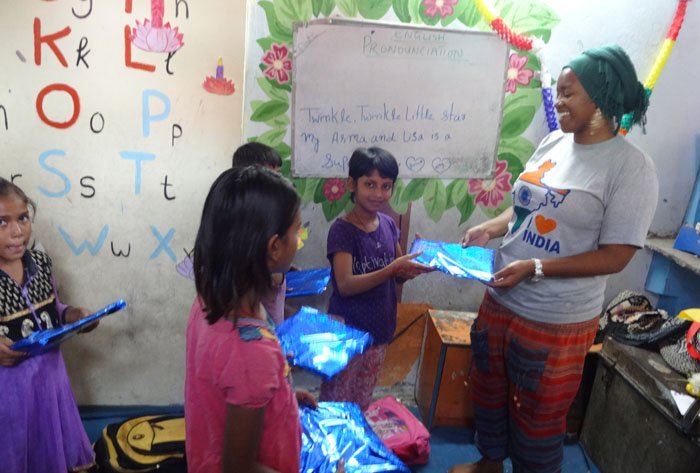
Volunteers don’t replace the teachers and carers who run the centers. They help them do more. With an extra adult in the room, staff can split a class by level, run the art or sports session that would otherwise be skipped, or give time to a child who needs it.
The centers carry on long after you fly home, so the most useful volunteers fit in with how they already work: follow the staff’s lead, ask before changing a routine, and offer ideas rather than impose them. If you want to do more, ask your coordinator what your center is short of, such as stationery or art supplies.
3. You will learn as much as you teach
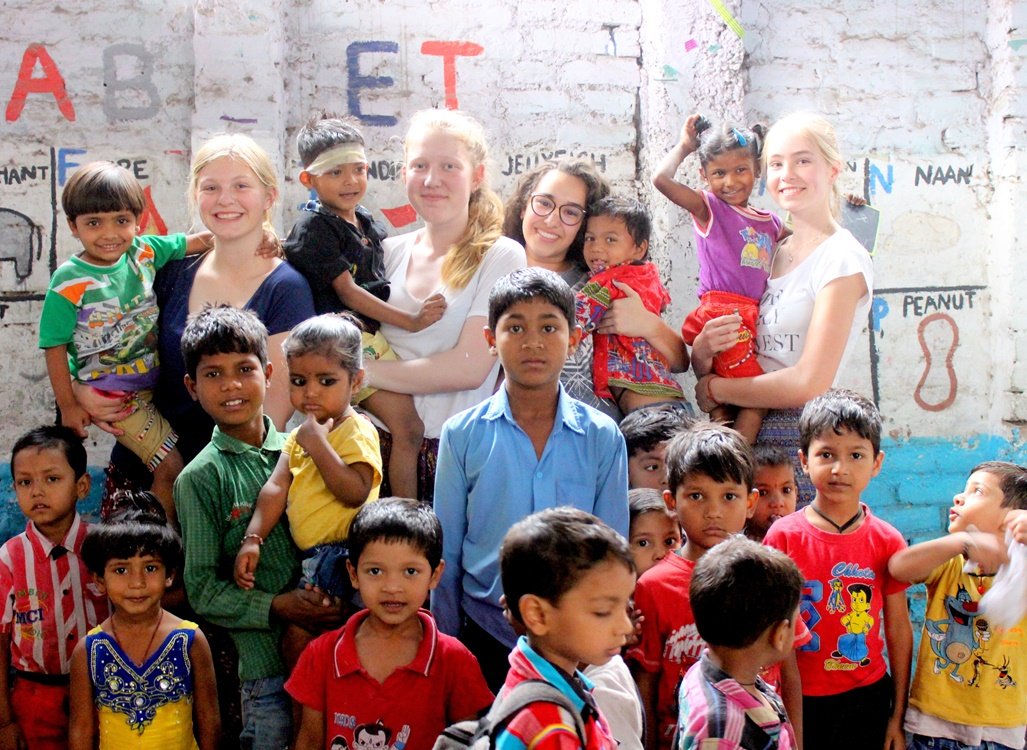
Planning a lesson for a group of children of different ages, with a whiteboard and not much else, teaches you patience and creativity fast. So does explaining something without a shared language. These skills carry into any career, and a placement abroad gives you real examples to talk about in job interviews and university applications.
You also leave with friendships: with the children, whose warmth is hard to forget, and with the volunteers from around the world you share the hostel with.
4. You get to know Delhi from the inside
Most visitors see Delhi in two or three days. As a volunteer, you live there for weeks. You commute by Metro with everyone else, find a favorite lunch spot near your project and learn to bargain at the markets. You spend your days in neighborhoods that few tourists ever see, and you get to know them through the people at your center.
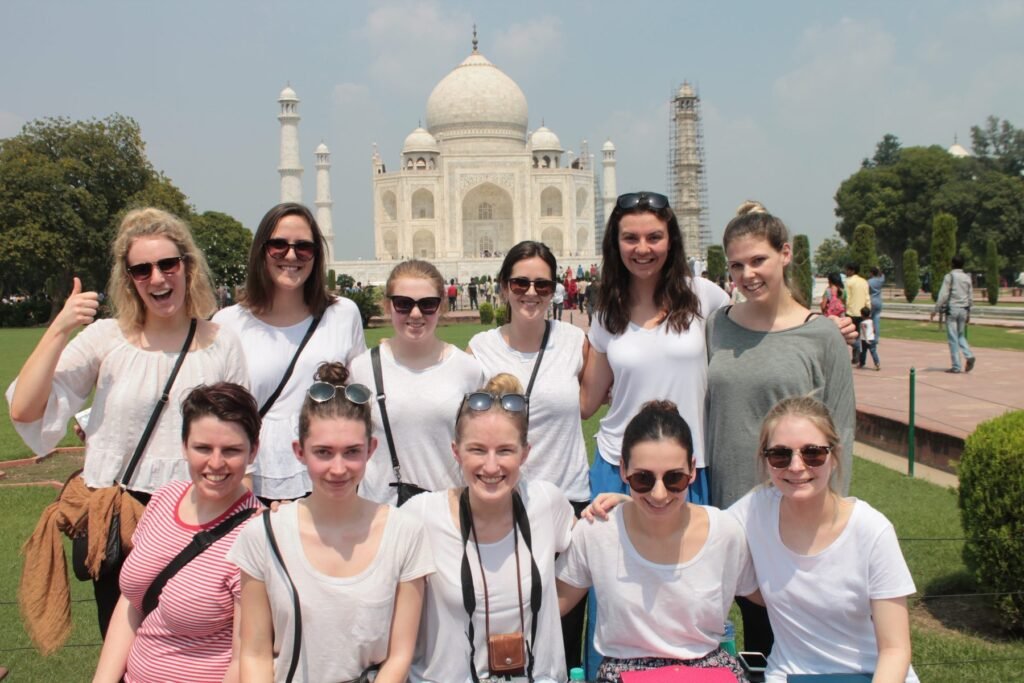
Weekends are free for exploring further. Our weekend trips take you to the Taj Mahal, Jaipur, the Golden Temple in Amritsar or the ghats of Varanasi.
5. Your story can inspire others
When you get home, friends and family will want to hear about it, and some of them may decide to volunteer too. Tell the story well: talk about the children’s energy and the staff’s work rather than casting yourself as a rescuer, and keep children’s faces and the location of their center off social media unless the staff have said it is fine.
The street children program runs all year, for one week to 18 weeks, and is open to anyone aged 17 or over. To find out more, read our guidebook to the street children program or email info@volunteeringindia.com.