

India is one of the most affordable places in the world to volunteer and travel. Even so, costs creep up: flights, weekend trips, the scarves and spices you didn’t plan to buy. With a little planning, you can keep your spending low without missing anything that matters. Here are our best money-saving tips.
1. Know what your program price covers
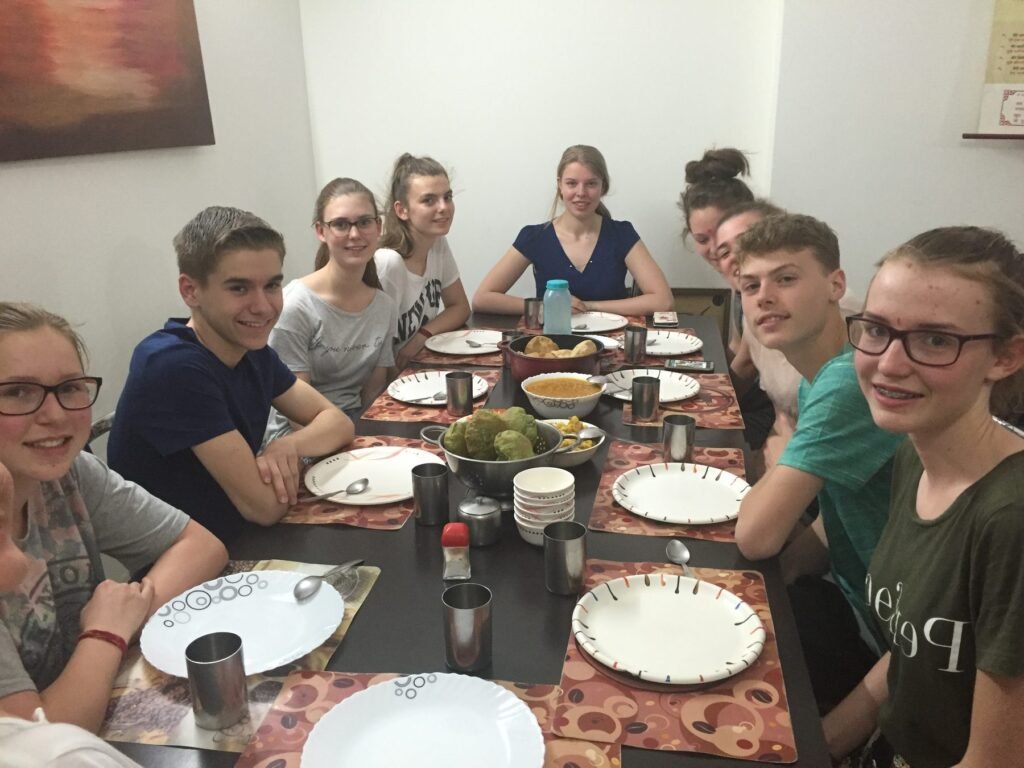
One price covers the big things: your accommodation, meals as listed for your program, airport pickup, orientation, your placement and support from our team at any hour. Programs start from $495 for one week. With a bed and most meals taken care of, day-to-day spending stays low. In Jaipur, three meals a day are included; in Delhi, breakfast and dinner are included from Monday to Saturday, and lunch on project days and Sunday meals are up to you.
Flights, your visa, insurance, local transport and weekend trips are extra. See what’s included for the full list and dates and prices for every program’s total. Wondering why volunteering costs anything at all? Our page on why you pay to volunteer explains where the money goes.
2. Book flights early, and stay flexible
Book your flights as soon as we have confirmed your place. Fares tend to rise as your dates get closer and are often higher around school vacations and Christmas, so if your dates are flexible, compare a few start dates. Joining a program in Jaipur? Compare flying into Jaipur with flying into Delhi and taking the train; we can pick you up at Jaipur railway station.
3. Eat where local people eat
A vegetarian thali at a dhaba, one of the no-frills roadside restaurants found all over North India, fills you up for very little, and the busiest street-food stalls are usually the best. Sundays, when there are no meals at the Delhi hostel, are perfect for a food crawl through the lanes of Old Delhi. Leave the hotel restaurants to the tour groups. Our guide to Indian dishes to try will make you hungry.
4. Get around like a local
In Delhi, the Metro is cheap, air-conditioned and reaches most of the places you will want to see, and the volunteer hostel is a few minutes’ walk from a station. For shorter hops, take an auto-rickshaw: agree on the fare before you get in, or book through a ride app so the price is set in advance. In Jaipur, your coordinator helps you get started with ride apps for the trip to your project. Our post on affordable transport in Delhi has more.
5. Get a local SIM card
Roaming charges add up fast. A local SIM is cheap, gives you data for maps and ride apps, and lets you check what things should cost before you pay. Your coordinator can help you set one up.
6. Make the most of free sights
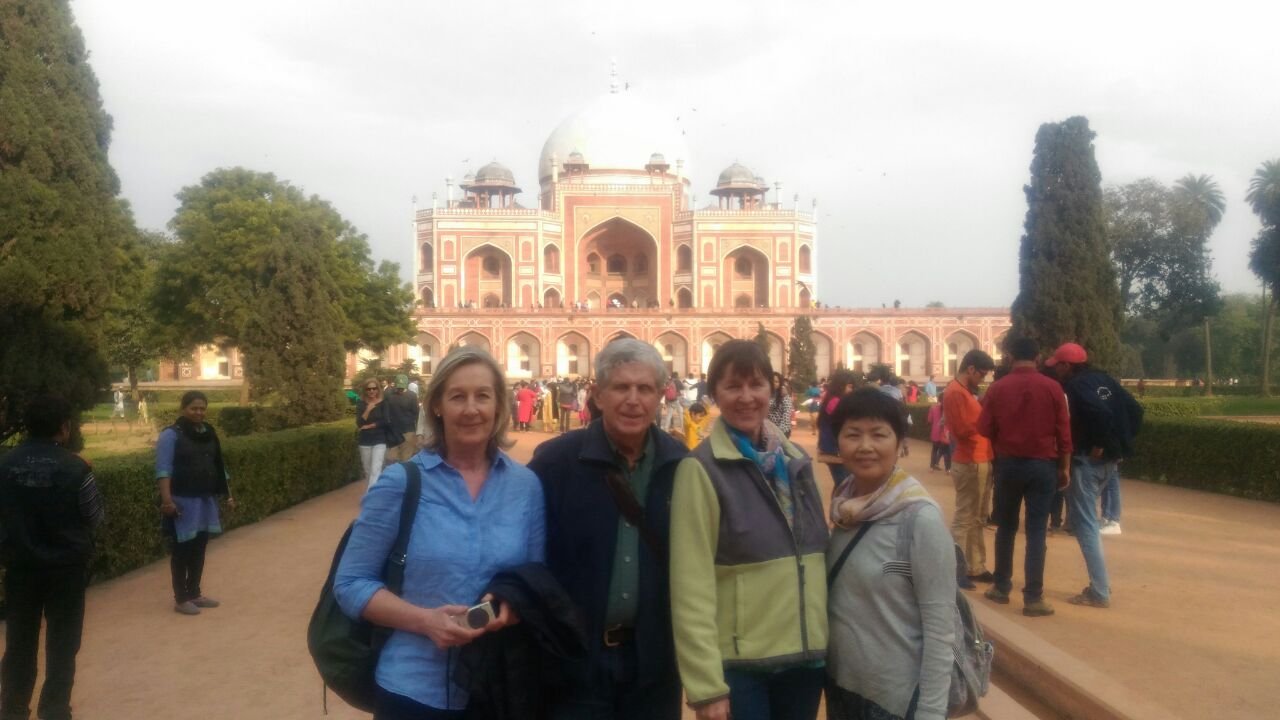
Some of Delhi’s best experiences cost nothing: an evening at India Gate, a morning in Lodhi Garden, the bazaars of Old Delhi, or the free community meal, called langar, at Gurdwara Bangla Sahib, which welcomes everyone. In Jaipur, the old city’s bazaars are free to wander for hours. Monument tickets cost foreign visitors more than Indian citizens, so pick the few you most want to see, and bring your student card, since some monuments give student discounts.
7. Bargain with a smile
At markets and with auto-rickshaw drivers, the first price is an opening offer. Decide what something is worth to you, offer less, and be ready to walk away politely. Keep it friendly, and don’t haggle hard over amounts that matter far more to the seller than to you. Shops with printed prices are fixed.
8. Travel by train, and share the trip
Indian trains are an affordable way to see the country, and an overnight sleeper saves you a night in a hotel. Book through official channels, early if you can, since trains fill up around festivals; your coordinator can help. Plan weekends with other volunteers: sharing taxis and rooms cuts the cost for everyone, and family-run guesthouses are usually cheaper than hotels. If you would rather have everything arranged, our weekend trips take care of transport, hotels and guides.
9. Choose a program with sightseeing built in
Short on time? The two-week mini break includes a guided tour of Delhi and a day trip to the Taj Mahal alongside eight days with children, and the childcare and elephants program adds Agra and Jaipur to your volunteering. Both include the transport for their sightseeing, so there is less to arrange and pay for separately (monument entry fees are extra).
In the end, though, the best value of all is the time you spend at your project. Here is how Kate Wood (Volunteered in India) described hers:
Ready to plan? See dates and prices, or email info@volunteeringindia.com and we will help you make your budget go further.