Ethical volunteering in India comes down to a few plain questions. Did the project ask for help? Are local staff in charge? Are children and animals protected? Can the organization tell you exactly what your money pays for? This guide gives you six red flags to watch for, the questions to ask any organization before you pay, what an honest explanation of fees looks like, and how we handle each point at Volunteering India. Use it to compare programs, ours included.
What does ethical volunteering in India look like?
There are plenty of good volunteer opportunities in India, and a few that do more for the visitor than for the people they say they help. The good ones tend to share four things:
- The need comes first. A school, shelter or community center asked for volunteers, and it would carry on its work without them.
- Local people stay in charge. The staff who are there all year decide what happens, and volunteers support them.
- Vulnerable people are protected. Background checks, supervision and clear rules on contact and photos are standard.
- The money is transparent. You know what you pay, when you pay it, what it covers and roughly where it ends up.
Six red flags to watch for
1. Orphanage placements
Orphanage volunteering in India is still widely advertised, and it is the clearest sign to look elsewhere. Children who have already lost a great deal attach quickly to friendly adults, and short-term visitors keep leaving. Many children in residential care also have at least one living parent, and where visitors bring donations, an institution can end up with a reason to keep children in care rather than help them home. Child-protection organizations around the world advise volunteers to stay away for these reasons.
Drop-in visits and afternoons “helping out” at a children’s home are versions of the same problem.
2. No background check
If an organization will place you with children or vulnerable adults without asking for a criminal background check, it would place anyone. A responsible program asks for a recent check before you start, explains why, and doesn’t waive it because you booked late.
3. Volunteers left alone with children
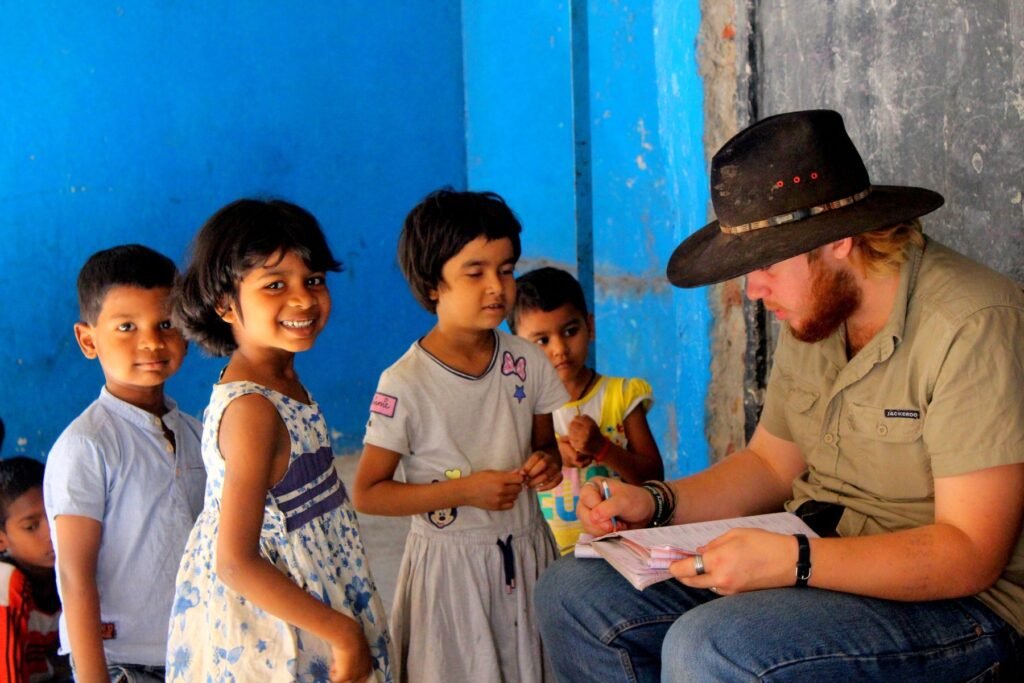
Be wary of lines like “you’ll run your own class” or “you’ll look after the children in the afternoons.” You won’t know the children’s language or histories, and you won’t be there next month. Staff should be present throughout, and you should never be in sole charge of a child or a class.
4. Fees nobody will explain
Paying to volunteer is normal: someone has to cover your bed, meals, pickup and support. What isn’t normal is a price nobody can break down, a cash “donation” you are told to hand over on arrival, charges that appear after you have paid, or vague answers about what reaches the project.
5. Elephant rides, baths and selfies
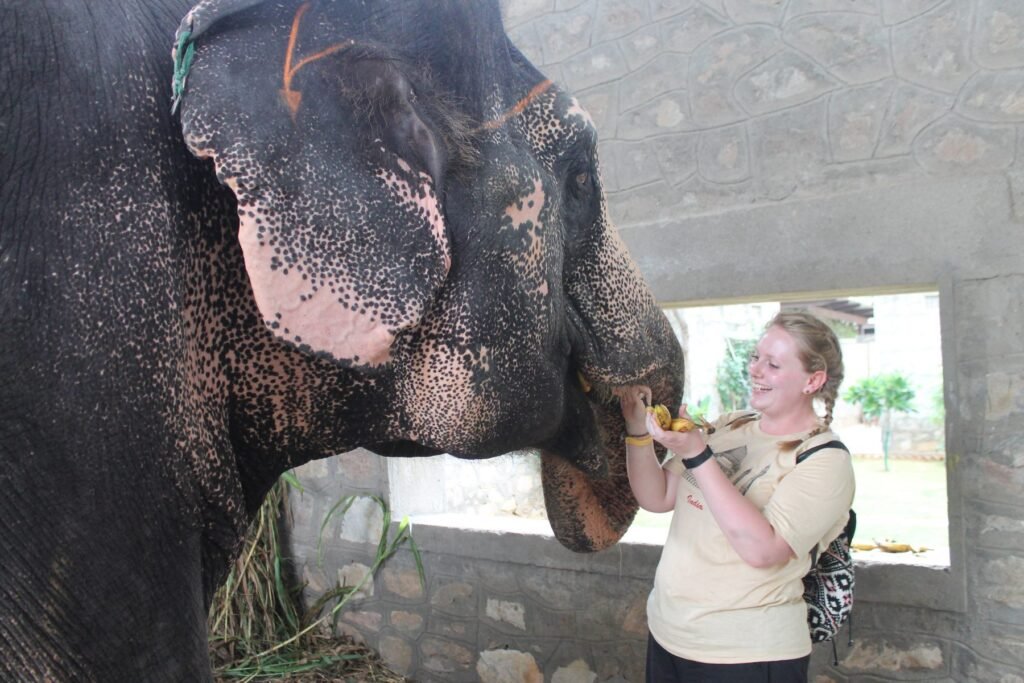
Riding, bathing sessions, painting and close-contact “experiences” usually mean an elephant has been trained to put up with tourists, and they keep the animal working for visitors. Animal-welfare groups have campaigned against them for years. An ethical animal program leaves the animals’ care to trained keepers and vets, keeps visitors at the distance the keepers set, and gives volunteers the real work: food, enrichment and the grounds.
6. Unskilled volunteers doing skilled work
A good rule: don’t do anything abroad that you wouldn’t be allowed to do at home. Walk away from programs that let students treat patients, untrained volunteers give therapy or counseling, or visitors take on structural or electrical work that local tradespeople are trained and paid to do. Skilled work belongs to qualified people, and your job is to support them.
Questions to ask before you pay
A good organization answers these quickly and in writing. Vague answers, or being hurried toward the payment page, tell you something too.
- Who runs the project day to day, and did they ask for volunteers? Listen for a real local partner that runs with or without you.
- Do you place volunteers in orphanages? The answer should be no.
- Do you need a criminal background check? For work with children or vulnerable adults, it should be yes.
- Will I ever be alone with children, or in charge of a class? It should be no.
- What will I do each day, and who supervises me?
- What is the full price, what does it include, and when is each payment due?
- Where does my money go, and how much supports the project?
- What happens to my money if I cancel?
- Who meets me when I land, and who can I call at 2am? You want a local coordinator and someone you can reach at any hour.
- What are the rules on photos and physical contact? A good program has a code of conduct and goes through it with you.
Read reviews too, including what volunteers found hard. Ours are on our reviews page, and our post on questions volunteers ask before they come covers the personal worries.
How should a volunteer program explain its fees?
Fees should be published, complete and a little boring. Before you pay anything, you should be able to see:
- The full price for your length of stay, not a weekly rate with extras to follow.
- What is included and what isn’t: accommodation, meals, pickup, local transport, insurance.
- How much the deposit is, whether it counts toward the total, and when the balance is due.
- The refund terms if you have to cancel.
- A broad breakdown of where the money goes.
At Volunteering India, our dates and prices page shows the full price of every program for each length of stay. The booking deposit of US$249, £179, €229 or A$350 is part of that total, and the balance is due 45 days before you start. Our page on why you pay to volunteer breaks the price down: about half covers your accommodation, meals and services, a quarter administration, 13% finding and supervising placements, and 12% project support. Projects ask us for volunteers; we never charge them, and we don’t pay them to take you.
Who should be in charge? Local staff, not volunteers
The best placements slot into something that already works. The teachers, carers and social workers at a project know the children and the neighborhood, and they will be there long after you fly home. Your role is to add time, energy and an extra pair of hands to their plan, not to bring your own.
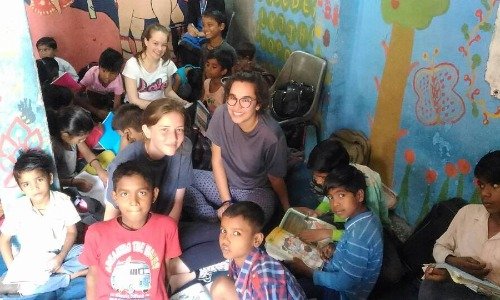
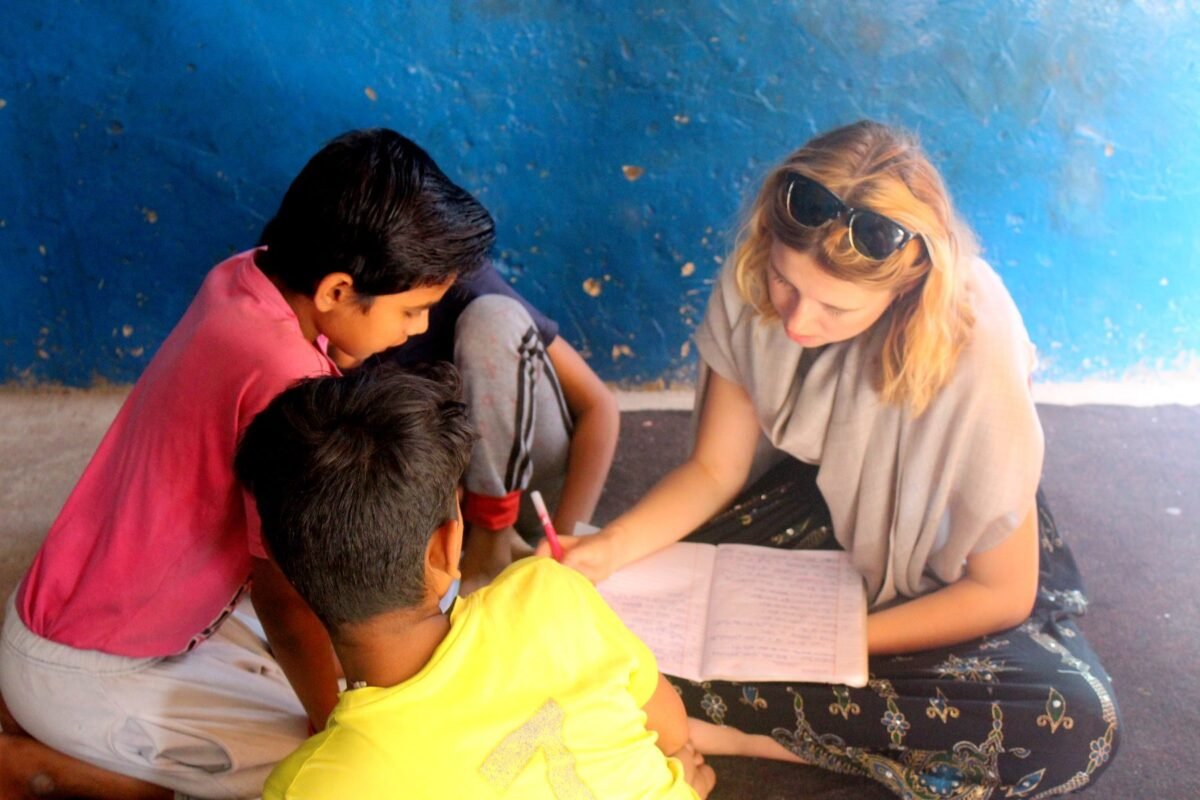
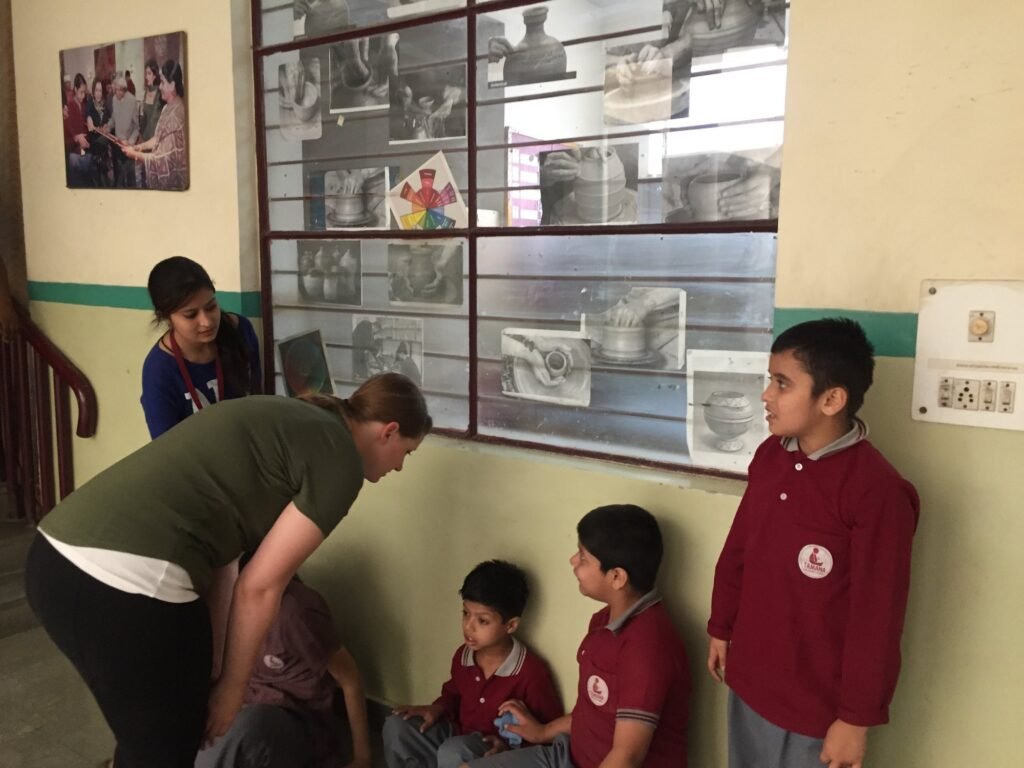
On our street children program in Delhi, center staff plan the day, decide what is taught and stay responsible for the children. In Jaipur, teachers keep charge of their classes, and the women’s center runs its classes whether or not volunteers are there. On construction and renovation projects, your coordinator directs the work and decides on materials and safety, and structural and electrical jobs go to professionals. Our coordinators all live locally and visit the projects regularly, so they hear early when something needs to change.
How we handle each red flag
| Red flag | What we do instead |
|---|---|
| Orphanages | We don’t place volunteers in orphanages. Our children’s projects are shelter homes, schools and education centers run by local organizations. |
| No background check | Work with children or vulnerable adults needs a clean criminal background check issued within 12 months of your start date. |
| Volunteers left alone | You are never in sole charge of a child or a class, and orientation covers our code of conduct on contact and photos. |
| Unclear fees | Full prices and the breakdown are published, and the deposit is part of the total. |
| Elephant rides and baths | No riding, performing, bathing or hugging elephants, anywhere on our programs. |
| Skilled work by volunteers | Interns never treat patients on their own, building work is basic and supervised, and therapy stays with trained staff. |
Two programs need a closer look. On our childcare and elephants program, you spend three days at an elephant rescue center near Agra, where keepers and vets do all the care and treatment. Volunteers chop fruit and prepare food, build enrichment, look after the grounds and walk alongside the elephants with their keepers. You watch the elephants bathe from the distance the keepers set. Our post on elephant volunteering in India describes the days in detail.
Our medical internship in Delhi is mostly observation, with hands-on tasks only as your training and supervisor allow, and no photos on the wards. It is not assessed clinical practice: it does not count toward NMC practice hours for nursing students or HCPC hours, for example, unless your own university approves it as part of your course. US pre-med students should ask their advisor how admissions committees view shadowing abroad.
Your part: volunteering ethically once you’re there
Whoever you volunteer in India with, how you behave matters as much as the rules. These habits help:
- Stay as long as you can. Your first week goes on learning names and routines; by the third or fourth, you are genuinely useful.
- Ask before every photo, never post anything that shows where a child lives or studies, and keep the children’s stories to yourself.
- Give through the project, not to individual children. Ask your coordinator what the center needs most.
- Don’t make promises you can’t keep, such as coming back next year or sending presents.
- Follow the staff’s lead, even when you would do things differently. Ask questions first; save suggestions until you understand why things work as they do.
For what to expect on a children’s project, read volunteering with street children in India: what you should know.
Frequently asked questions
Is it ethical to pay to volunteer in India?
Yes, as long as the fee is transparent and covers real costs. Your accommodation, meals, pickup and support cost money, and the schools and shelters you join can’t afford to pay for them. What matters is that the organization shows what the price includes and where it goes, and that projects aren’t paid to take volunteers.
Why don’t you offer orphanage volunteering in India?
Because a stream of short-term visitors can harm children in residential care, who bond with adults who then leave, and because visitor demand can keep children in institutions. We work with shelter homes, schools and education centers run by local organizations instead, where staff stay responsible for the children and every volunteer is background-checked.
Do I need a background check to volunteer in India?
With a responsible organization, yes, if you will work with children or vulnerable adults. We ask for a clean check issued within 12 months of your start date. In the UK, you can request a basic DBS check from GOV.UK, which usually arrives within a couple of weeks; in the US, an FBI Identity History Summary or a state police check works.
Can a one- or two-week trip be ethical?
Yes, if it is honest about what a short stay can do. You support staff rather than replace them, you are supervised, and nobody promises that you will change lives in a week. Longer stays do more, but a well-run short placement still helps a busy center.
Want to ask us any of the questions above? Email info@volunteeringindia.com. We will answer them straight, and tell you honestly which of our projects suits you, or whether none does.