
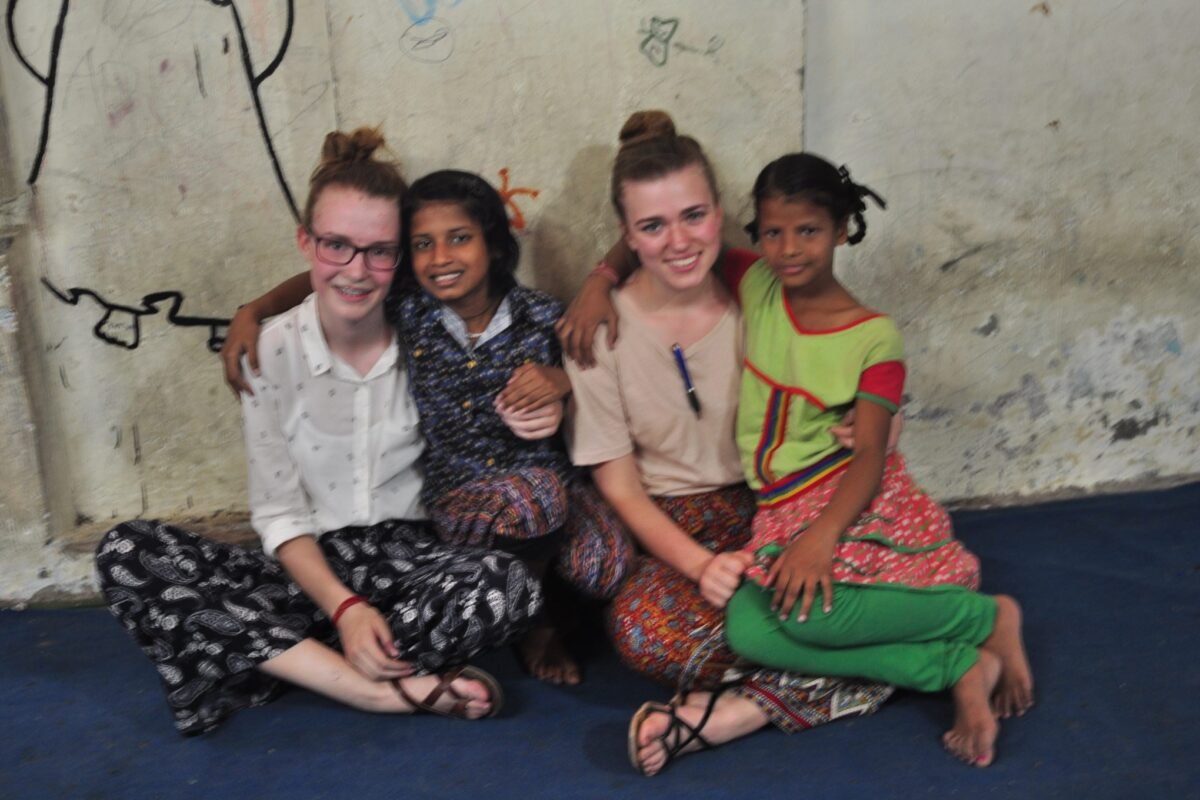
Volunteering with street children in Delhi is rewarding, and it is not always easy. The children are lively and affectionate, the staff are welcoming and the days go fast. But you will also see real poverty, hear hard stories and work in conditions very different from home. Knowing what to expect helps you prepare, and it makes you a better volunteer from your first day.
Here is what to know before you join our street children program.
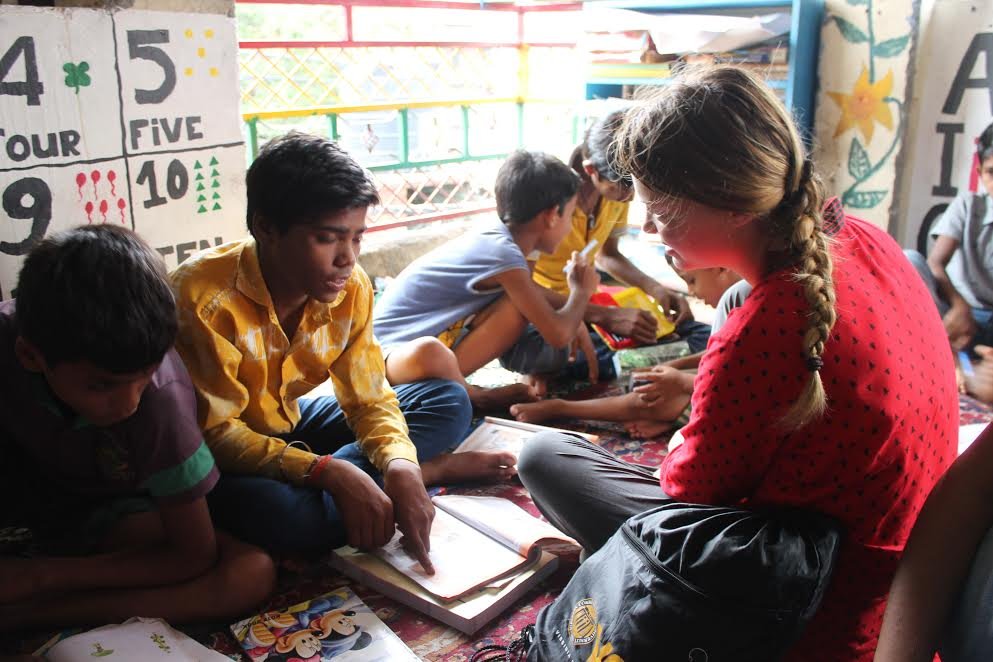
Who the children are
“Street children” covers a wide range of situations. Some children lost touch with their families or were living on the street, and now live at a shelter home where staff look after them and make sure they go to school. Others live with their parents in slum neighborhoods and come to a non-formal education center because they never started school, had to work instead, or fell too far behind to keep up.
In other words, “street children” doesn’t mean orphans: many of the children you meet go home to their families every evening. What they have in common is missed schooling, and both kinds of center are there to help them catch up.
You will need a background check
Because you will work with children, you need a clean criminal background check issued within 12 months of your start date. Apply for it as soon as you book, since in some countries it takes several weeks to arrive. Volunteers aged 17 also need a consent form signed by a parent.
Safeguarding comes first
Safeguarding means protecting children from harm, and it shapes how every center works. Staff are responsible for the children at all times; you work alongside them and are never left in sole charge of a child. At orientation, we go through our code of conduct, which covers physical contact and photos, and each center has its own rules on top.
Some rules can feel strict when a child is climbing into your lap or asking for a selfie. They exist because children who have had a hard start are more vulnerable than most, and because a center needs to be able to trust every adult who walks through its door. Ask the staff before you take any photo, and never share one that shows where a child lives or studies.
The emotional side
Many volunteers find the first week the hardest. Some of the children’s stories are painful to hear, the poverty around the centers can be confronting, and it is natural to feel that what you are doing is too small to matter.
It helps to be realistic. You won’t solve a child’s problems in a few weeks; the centers will still be doing that work long after you leave. What you can bring is energy, patience and attention every day, and that has real value. Talk things through with your coordinator and with the other volunteers at the hostel, who know exactly what your day was like.
Think ahead about leaving, too. Don’t make promises you can’t keep, such as coming back next year or sending presents. Let the staff know your last day in good time, and follow their lead on how to say goodbye.
The language barrier
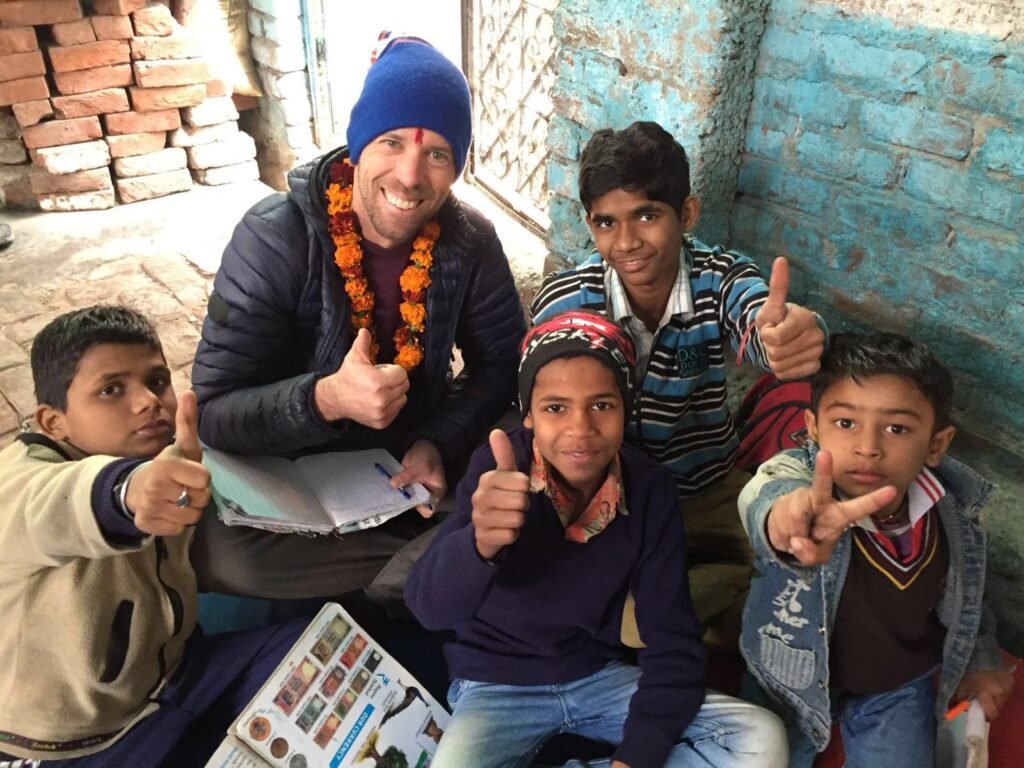
Few of the children speak much English, which is part of the reason you are there. In practice, the barrier is smaller than you might fear. Pictures, gestures, songs and games carry a lot, and children are quick to teach you their words in return. Orientation includes some basic Hindi, and staff step in when you need them.
A few words that go a long way in the classroom:
- Namaste: hello
- Shabash: well done
- Bahut accha: very good
- Chalo: let’s go
- Ek, do, teen: one, two, three
- Dhanyavaad: thank you
Health and hygiene
Facilities at the centers are basic, and colds and stomach bugs travel fast among children. A few habits keep you well:
- Carry hand sanitizer and tissues, and wash your hands before you eat.
- Drink only filtered or bottled water.
- See a travel clinic six to eight weeks before you leave. There are usually no compulsory vaccinations for travelers from most countries, but keep your routine ones up to date; hepatitis A and typhoid are commonly recommended.
- Use insect repellent, especially during the monsoon.
- Make sure your travel and medical insurance covers your whole stay. It is compulsory.
Make hygiene part of your teaching, too: a hand-washing song before lunch helps the children as much as it helps you.
How long should you stay?
You can join for anything from one week to 18 weeks, starting on two Sundays a month. Stay longer if you can. Your first week goes on learning names, routines and how the center works; by the third or fourth week, you know each child’s level, the staff trust you with more, and your lessons build on each other.
If you only have two weeks, the two-week mini break combines eight days with children in Delhi with a city tour and a day at the Taj Mahal.
Why we don’t place volunteers in orphanages
Volunteering India does not place volunteers in orphanages. Child-protection organizations have warned for years that a constant stream of short-term visitors can harm children who have already lost a great deal, because they bond with adults who then leave. Demand from volunteers can also encourage some orphanages to take in children who have families, to attract visitors and donations.
Instead, we work with shelter homes and education centers run by local organizations, where the staff stay in charge, every volunteer shows a background check, and your role is to support the people who are there all year round.
Still have questions? Read our answers to common questions, or email info@volunteeringindia.com.