
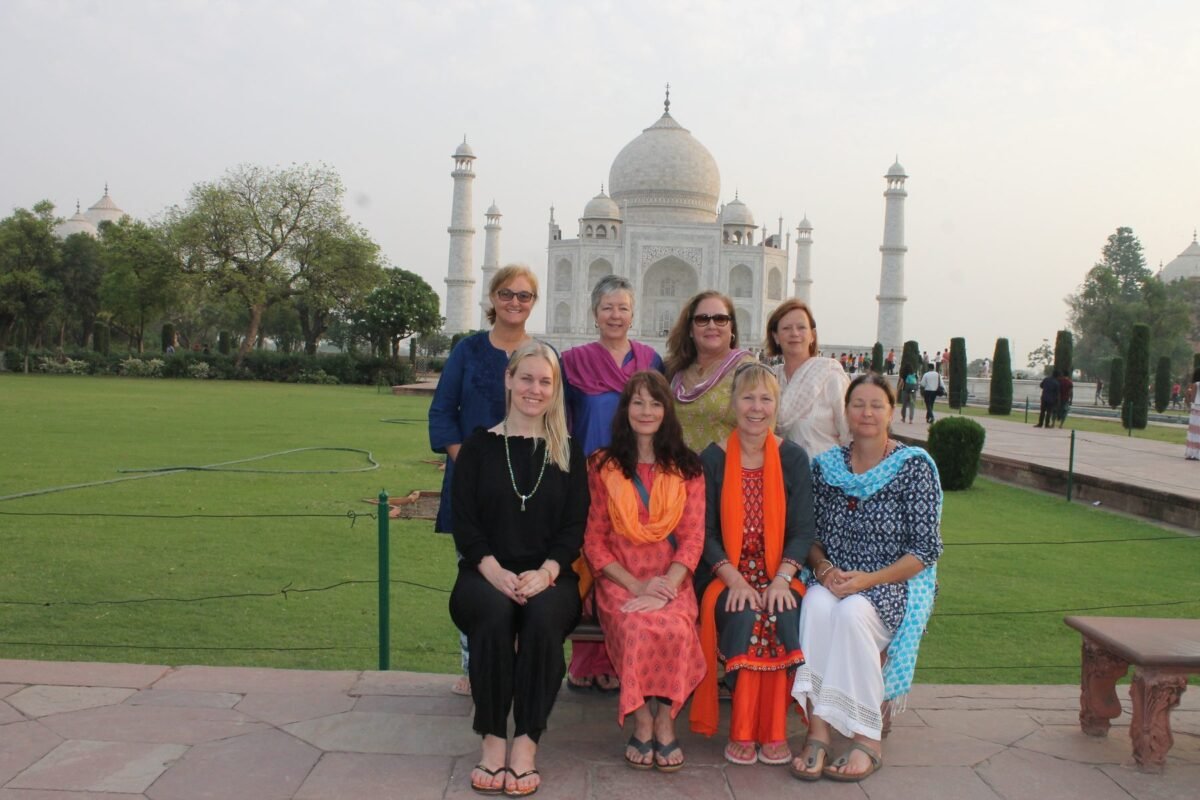
Pack light on the way out, because you will want the space on the way home. Between Delhi’s markets and Jaipur’s bazaars, you will find handmade things you won’t see anywhere else, often made by families who have practiced the same craft for generations.
Here is what to look for, where to find it, and how to shop without overpaying.
Block-printed textiles
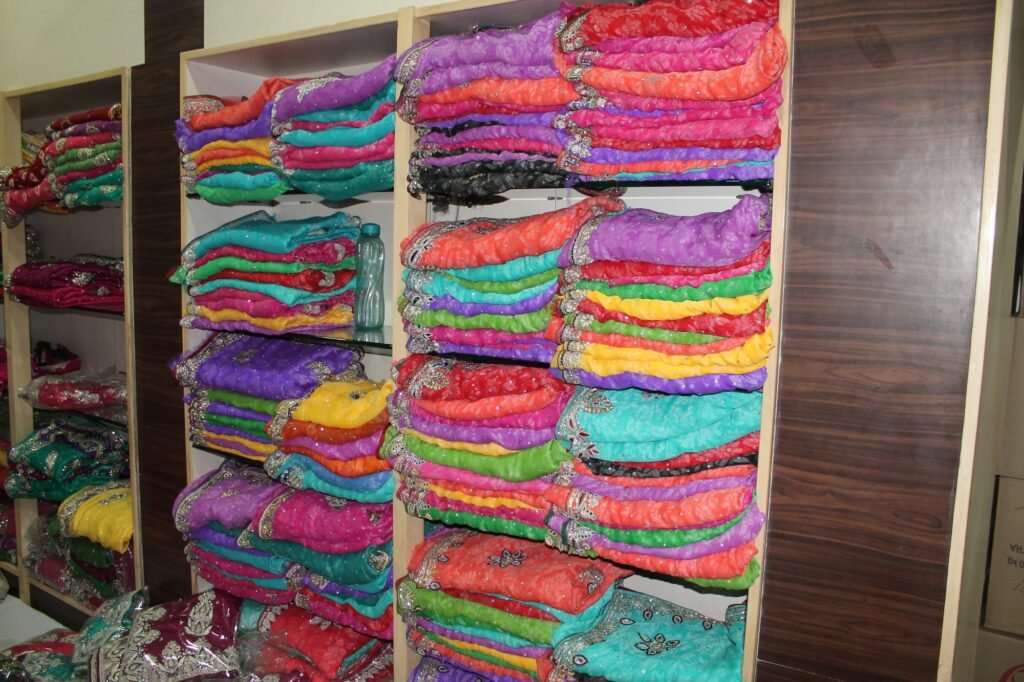
Rajasthan’s best-known craft is printing cotton by hand with carved wooden blocks, one color at a time. Sanganer, on the edge of Jaipur, is known for delicate floral patterns on white and pastel cloth; nearby Bagru prints bolder, earthier designs with natural dyes and a mud-resist technique called dabu. Bedspreads, tablecloths, cushion covers, scarves and kurtas are light to pack and easy to give. Our Jaipur weekend from Delhi finishes in Sanganer, where you can watch the printers at work, and volunteers based in Jaipur can visit on a free afternoon.
Blue pottery
Jaipur’s blue pottery isn’t made from clay at all. Potters shape a dough of ground quartz, powdered glass and fuller’s earth, then paint it with cobalt blue and turquoise flowers, birds and arabesques. The technique traveled from Persia to the Mughal courts and has been made in Jaipur for generations. Tiles, small bowls, coasters and drawer knobs survive the flight home best; wrap them in your clothes.
Spices and tea
After a few weeks of Indian food, the spices are what you will miss most. Khari Baoli in Old Delhi is one of Asia’s biggest wholesale spice markets, a street of sacks heaped with chilies, turmeric, cardamom and cumin. For gifts, buy small sealed packs of garam masala, chai masala or whole spices. Tea makes another easy present: Darjeeling for a light, fragrant cup, Assam for a strong brew that stands up to milk. Before you pack any food, seeds or plant products, check your home country’s customs rules.
Clothes and accessories
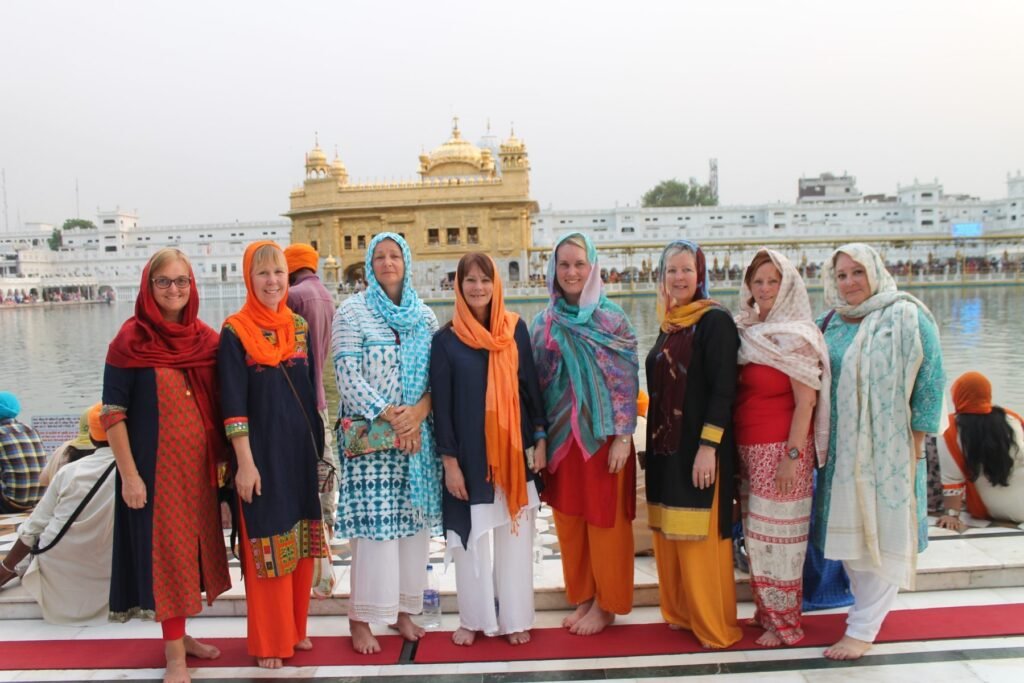
Many volunteers buy their first kurta in their first week, because loose cotton is cooler than anything they brought from home. Before you leave, pick up a few more: a cotton kurta or salwar kameez, a printed or embroidered dupatta (long scarf), a pair of embroidered juttis (slippers), or lac bangles from the bangle makers’ lane, Maniharon ka Rasta, in Jaipur’s old city. A sari makes a beautiful gift, though you may need a lesson in how to wear one. Our guide to what to wear while volunteering has more on clothes.
Handicrafts and small gifts
Rajasthan is known for kathputli string puppets, painted wooden toys and brassware, and Sanganer for handmade paper. In Delhi you will also find Chikankari embroidery from Lucknow, Tibetan singing bowls and prayer flags, and incense, herbal soaps and oils that weigh almost nothing in a suitcase.
Where to shop
- Delhi: Dilli Haat, where craftspeople from different states take turns at the stalls; Janpath and Sarojini Nagar for clothes and bargains; Chandni Chowk and Khari Baoli for spices, fabric and sweets; Majnu ka Tilla for Tibetan crafts; and the government-run emporiums, which have fixed prices.
- Jaipur: Johari Bazaar for jewelry, Bapu Bazaar and Nehru Bazaar for textiles and juttis, Tripolia Bazaar for bangles and brassware, and the workshops of Sanganer and Bagru for block prints.
How to shop fairly
- Bargain with a smile. In markets, the first price is an opening offer. Decide what something is worth to you, offer less and meet in the middle. A visit to a fixed-price emporium first gives you a feel for fair prices.
- Skip the commission stops. Be wary of drivers, guides or friendly strangers who insist on taking you to a particular shop. Their commission ends up in your price.
- Be careful with gems. Jaipur is a major center for cutting gemstones, and also home to a well-known scam in which strangers offer you a profit for carrying gems home to sell. Never agree to it, and buy valuable stones only from established jewelers who give a certificate and a proper receipt.
- Know your pashmina. Real pashmina is woven from the fine undercoat of goats raised high in Ladakh, and it is expensive. Much of what is sold as “pashmina” is a blend or acrylic. Ask the seller directly, look for the GI (Geographical Indication) label on Kashmiri pashmina, and pay accordingly. Never buy shahtoosh: it comes from an endangered antelope, and trading it is illegal.
- Buy from the makers when you can. Craft cooperatives, fair-trade shops and artisans’ own stalls put more of your money into the hands of the people who made the work.
- Leave wildlife products alone. Avoid anything made from ivory, coral, turtle shell or wild animal skins.
Shopping is where most volunteers spend their pocket money, so read our budget tips before you go. Questions about your trip? Email info@volunteeringindia.com.