
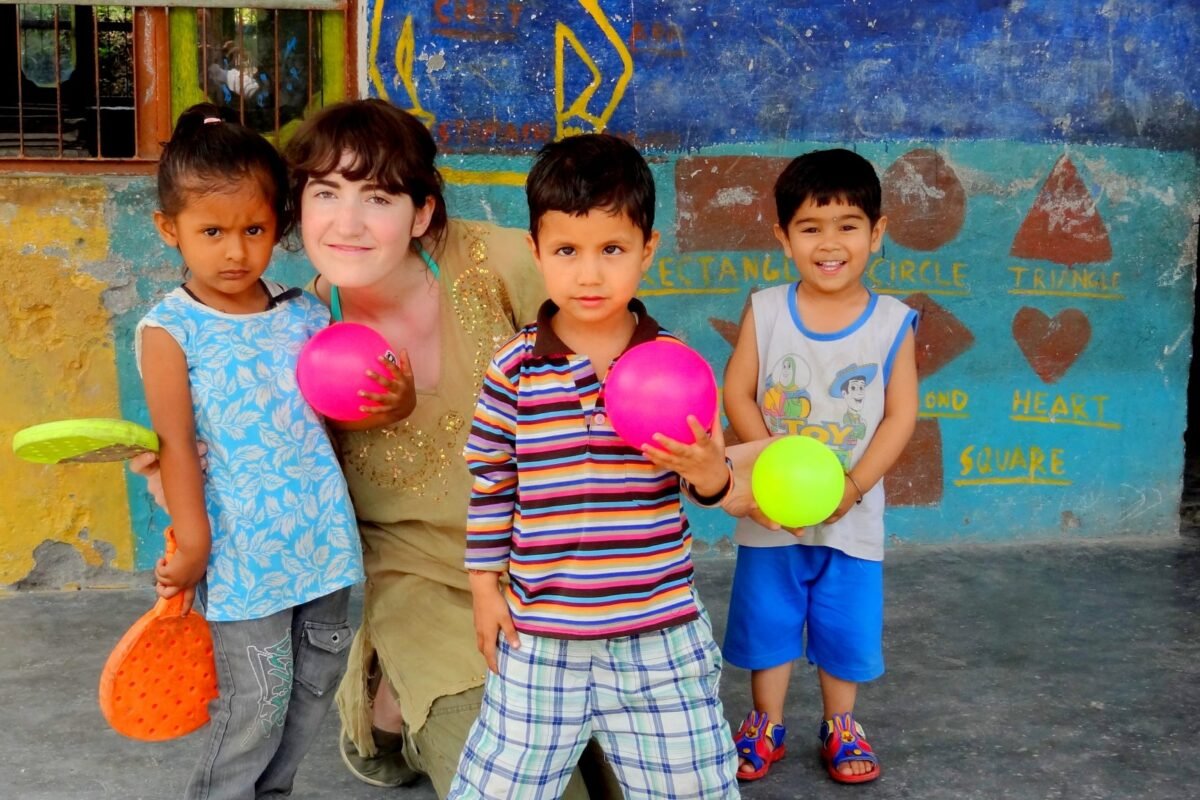
Booking a volunteer trip is exciting, right up until the night you lie awake and the questions start. Will I be safe? What if I get sick? What if I’m hopeless with the children? Almost every volunteer has wondered something like this, and the honest answers are more reassuring than you might think.
This post is about the worries. For practical questions about visas, money and what’s included, see our 18 FAQs about volunteering in India.
1. Will I be safe?
Many of our volunteers travel alone, and India is much easier with a local team behind you. We meet you on arrival, you live in accommodation our team knows well and share it with other volunteers, and orientation covers how to get around, what to wear and what to avoid. After that, it’s mostly common sense: use the Metro, pre-booked taxis or ride apps, keep valuables out of sight, and go out in groups at night. Our team can be reached at any hour. For more, read our safety tips for volunteers and our advice for traveling solo.
2. What if I get sick?
An upset stomach in the first week is one of the most common complaints, and a few simple habits lower the odds: drink filtered or sealed bottled water, eat food that’s freshly cooked, and use hand sanitizer before meals. See a travel clinic six to eight weeks before you leave, and bring any medicines you need. If you do feel unwell, tell your coordinator, who can help you see a doctor. Pharmacies are everywhere, and your travel and medical insurance, which is compulsory, should cover any treatment.
3. How will I manage without Hindi?
Better than you expect. English is widely spoken in Delhi and Jaipur and at our projects, and you learn useful phrases at orientation. The children may know only a little English, but pictures, songs, gestures and games cross the language gap remarkably fast, and you will be surprised how much Hindi you pick up from them. If you would like a head start, our Hindi and culture week starts from zero.
4. Will I make friends?
Almost certainly. Our volunteers come from more than 30 countries, and in Delhi you share a hostel with volunteers from other projects, so there is always someone to have dinner with or to plan a weekend in Agra or Jaipur.
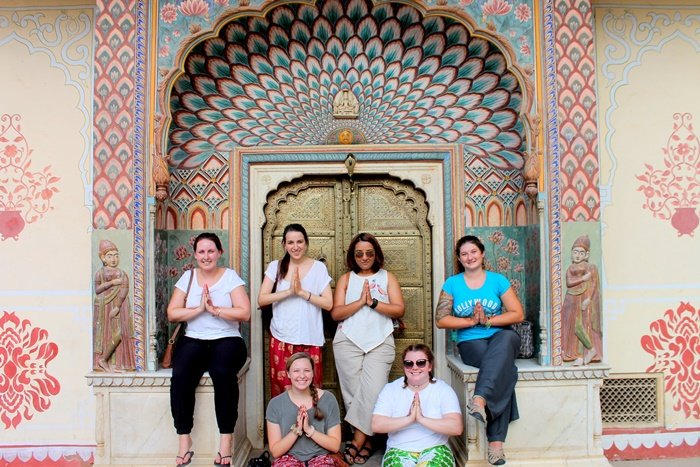
In Jaipur, our volunteer house works the same way, while a host family gives you a closer look at local family life. Plenty of the friendships made on a trip outlast it.
5. Will I really make a difference?
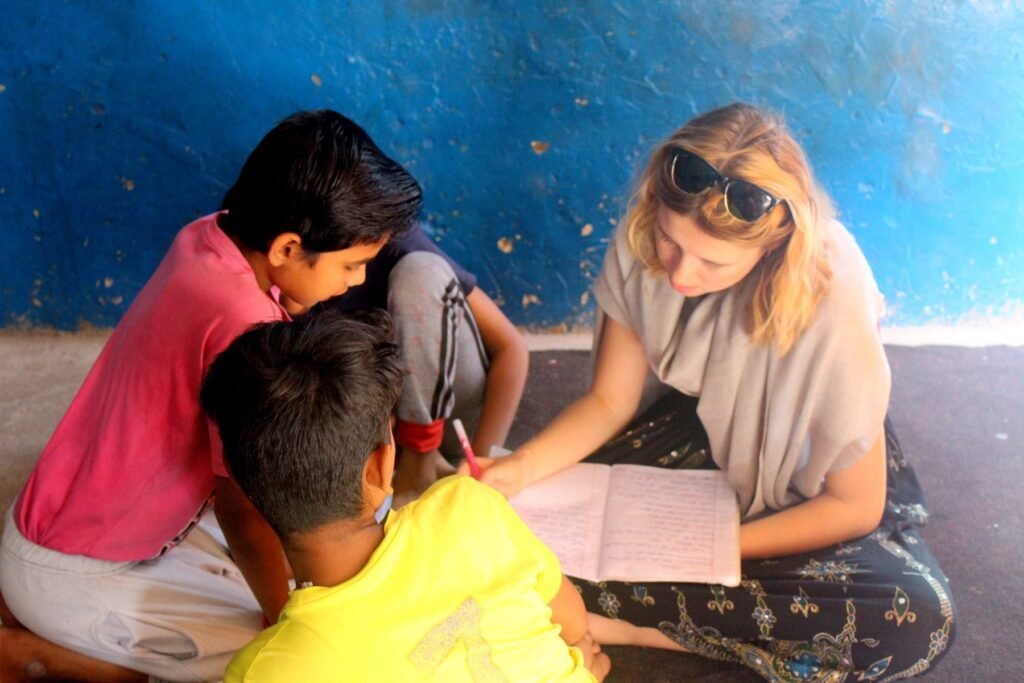
Honestly, you won’t transform a community in two weeks, and nobody expects you to. What you bring is time, energy and attention for projects that have asked for help: an extra adult to sit with a child who is struggling to read, a conversation partner for young women practicing their English, a fresh coat of paint on a classroom wall. The local staff do the long-term work and carry on after you leave; your job is to make their days a little easier and the children’s a little brighter. The longer you stay, the more you can do.
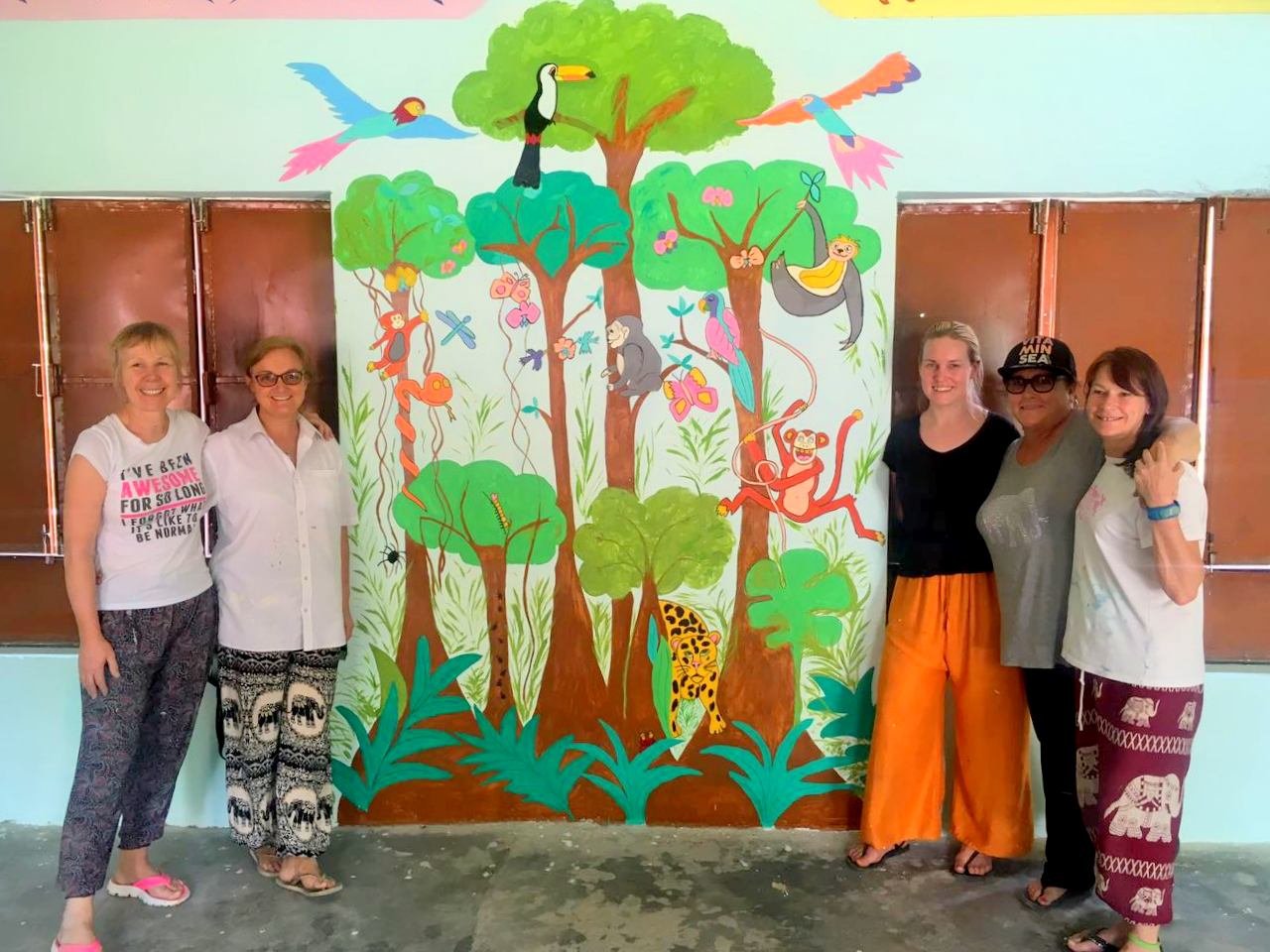
Small things add up, too. A school group from the Netherlands raised money before they came, bought an air cooler, a water purifier and stationery for the Delhi schools where they volunteered, and painted letters and numbers on the classroom walls. Part of every program price also goes to the projects; our page on why you pay to volunteer explains where the money goes.
6. Am I good enough with children?
You don’t need a teaching or childcare background for most of our programs. Patience, reliability and a willingness to join in matter far more. The project staff set the routine and stay responsible for the children, so you are never on your own, and your coordinator explains how things work on your first visit. Come with a few simple activities ready, such as a song with actions, a counting game or a craft, and you will be fine. Our post on activities for volunteering with children has plenty of ideas.
7. How will I cope with what I see?
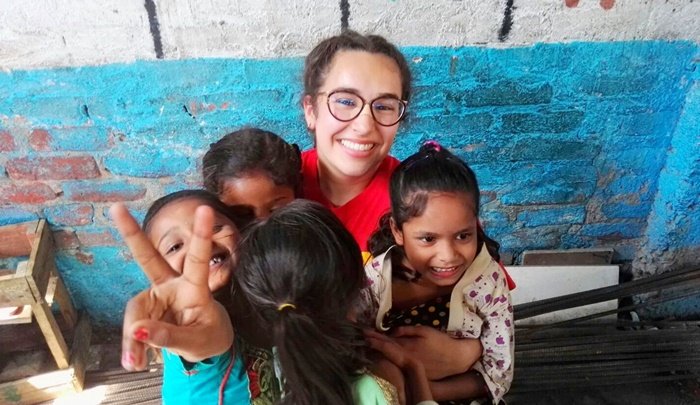
Some of the children you meet will have had a hard start in life, and you will see poverty in the streets around some projects. It is normal to feel sad, angry or helpless, especially at first. What surprises most volunteers is how much joy there is too: the children are curious, funny and full of energy, and they are far more than their circumstances. Talk things through with your coordinator and the other volunteers. And remember that a child’s story is theirs to tell: don’t share it online, and follow the project’s rules on photos. Our guide to dealing with culture shock may help, too.
8. Am I too young, or too old?
Most of our programs are open from 17, with a consent form signed by a parent for anyone under 18. Special needs care, the medical internship, and teaching and childcare in Jaipur start at 18. There is no upper age limit, and volunteers in their forties, fifties and beyond bring patience and life experience that projects value. Read more about volunteering as a teenager or volunteering over 40.
Still lying awake? Write your questions down and send them to info@volunteeringindia.com. Our team in New Delhi has heard them all, and is happy to answer every one.