
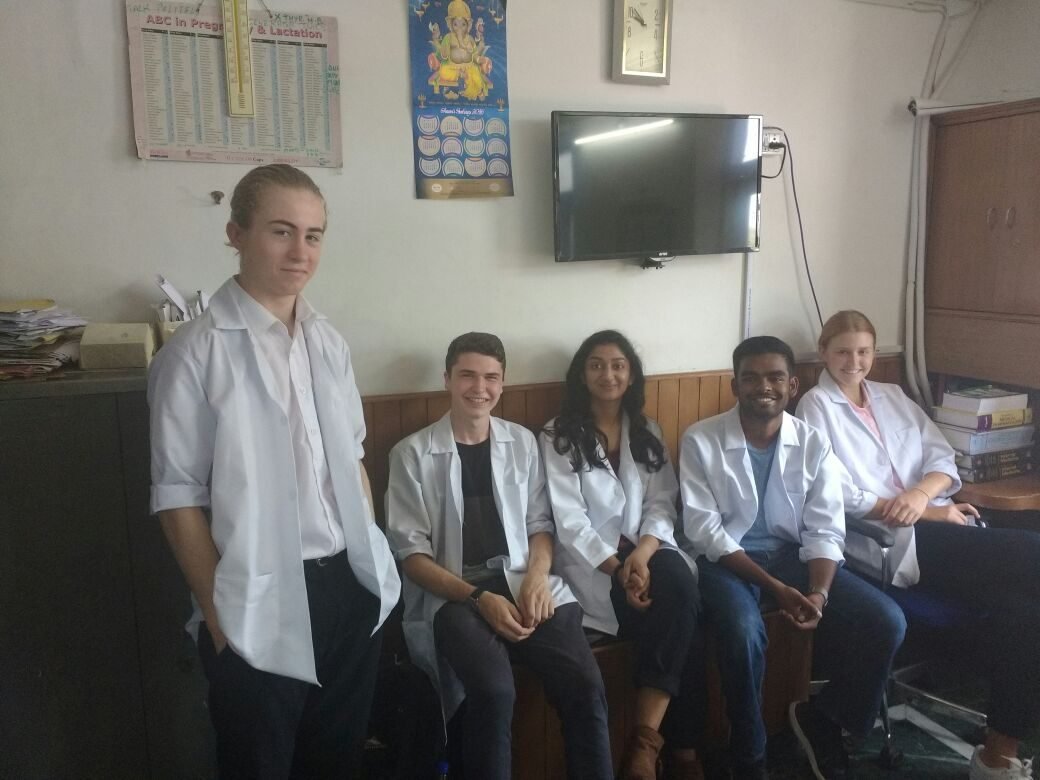
Our medical internship places students in a private hospital in New Delhi, where they shadow doctors, nurses and other professionals and rotate through the departments of their choice. This guide explains how it works in practice, from who can apply to what to pack. If you are still deciding whether an internship in India is right for you, start with our post on why a medical internship in India is worth it.
Who can apply?
The internship is open to students of medicine, nursing, dentistry and physiotherapy, and to pre-med students. You need to be at least 18 on your start date, and you can join for two weeks or longer.
Your level of study shapes what you get out of it. Pre-med students usually spend most of their time in emergency and internal medicine, where there is plenty to see without specialist knowledge. For everyone, how much you see and do depends on your training and on what your supervisor allows.
Where will you be placed?
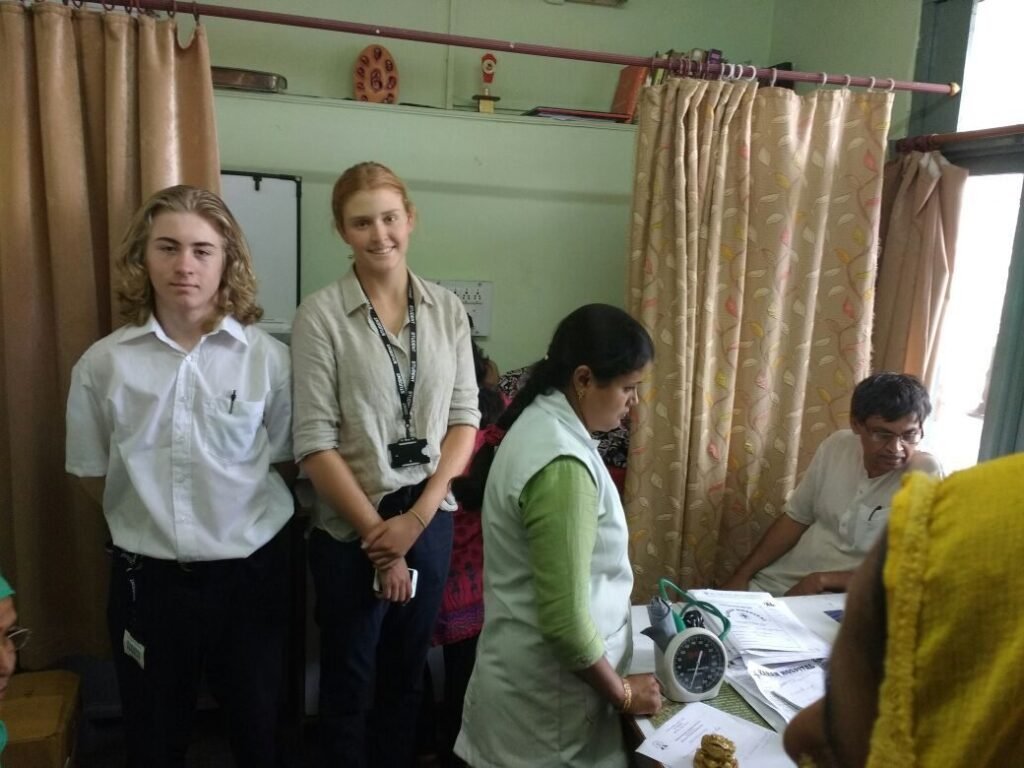
You join a full-service private hospital in Delhi with modern facilities and experienced staff. Each day, you are paired with a doctor, nurse or other professional and follow them through rounds, clinics and procedures. Your coordinator takes you to the hospital the first time and keeps in touch with you and the hospital throughout your placement.
Which departments can you choose?
When you apply, list three or four departments in order of preference. We confirm what the hospital can offer for your dates, and if you stay long enough, you rotate between them. The choice includes emergency and critical care, the general wards, internal medicine, pediatrics, surgery and the operating theater, orthopedics, obstetrics and gynecology, radiology and imaging, dialysis, nursing and physiotherapy, and the laboratory, blood bank and pharmacy.
Longer stays can take in specialties such as cardiology, neurology, nephrology, anesthesia, ENT or ophthalmology. Final rotations always depend on what each department and supervisor can offer during your dates.
How hands-on will it be?
Expect to observe more than you do. Procedures are reserved for qualified staff, as they should be, so the internship is built around shadowing: history taking and examinations, ward rounds, case discussions, and procedures and surgery watched from wherever your supervisor allows.
Some interns help with basic tasks on the wards when their training and the hospital allow it, but that is your supervisor’s call, never something to push for. Interns never treat patients on their own. Patient privacy matters too: no photos on the wards, and no sharing of patient details, online or anywhere else.
What does a typical week look like?
You arrive on a Sunday, and our team meets you at Indira Gandhi International Airport between 8am and 8pm. Monday is a half-day orientation on safety, culture and getting around Delhi. From Tuesday, you are at the hospital, and from then on you work Monday to Friday, usually from about 9:30am to 4pm. Your hours follow your supervisor’s schedule, so they can change as you move between departments.
Your day starts with breakfast at the hostel before you head to the hospital. Mornings are usually rounds or clinic with your supervisor. Lunch is your own, usually somewhere near the hospital, and afternoons bring more clinics, procedures or case discussions. You are back at the hostel in time for dinner with the other volunteers and interns, and your evenings and weekends are free.
What documents will you need?
- Your CV
- Proof that you are enrolled in a medical, nursing, dentistry, physiotherapy or pre-med course
- A copy of your passport
- A clean criminal background check, issued within 12 months of your start date
- Details of your travel and medical insurance, which is compulsory
We tell you exactly what to send after you apply. Most interns travel on an Indian e-Visa, applied for online before departure, and your passport needs at least six months’ validity after your return and two blank pages. Visa rules change, so check the official Indian government website; we send guidance once you book.
What should you wear and bring?
Dress professionally and modestly at the hospital, with closed shoes. Bring your own scrubs or lab coat, a supply of masks and a pocket notebook for rounds. Away from the hospital, light, loose clothes that cover your shoulders and knees are comfortable for most of the year and respectful everywhere.
Where will you stay and eat?
Interns live at our hostel in South Delhi with volunteers from our other projects, a few minutes’ walk from the Metro. You share a room with interns or volunteers of the same gender, air-conditioned in the hot months, and a private room is available at extra cost if you ask when you apply. The hostel serves vegetarian breakfast and dinner from Monday to Saturday. Lunch on hospital days is your own, and Sundays have no meals, leaving you free to explore Delhi’s food.
Can you get university paperwork signed?
If your university needs forms completed, for example for an elective or academic credit, tell us when you apply and send the forms early. We do our best to have your supervisor complete them, and we can give you a certificate of participation at the end of your internship.
How long can you stay, and how do you book?
Internships run from two weeks up to 18 weeks, with start dates through the year. Apply online and hold your place with a booking deposit, which is part of your total price, not an extra. The balance is due 45 days before you start, or on confirmation if you book later than that. See dates and prices for the full cost of each length of stay.
What can you do at weekends?
Delhi alone could fill months of weekends, from Mughal tombs and forts to the food stalls of Old Delhi. Further afield, our weekend trips include the Taj Mahal, Jaipur, the Golden Temple in Amritsar and Varanasi on the Ganges.
Have a question we haven’t answered? Email info@volunteeringindia.com, and we will get back to you.