
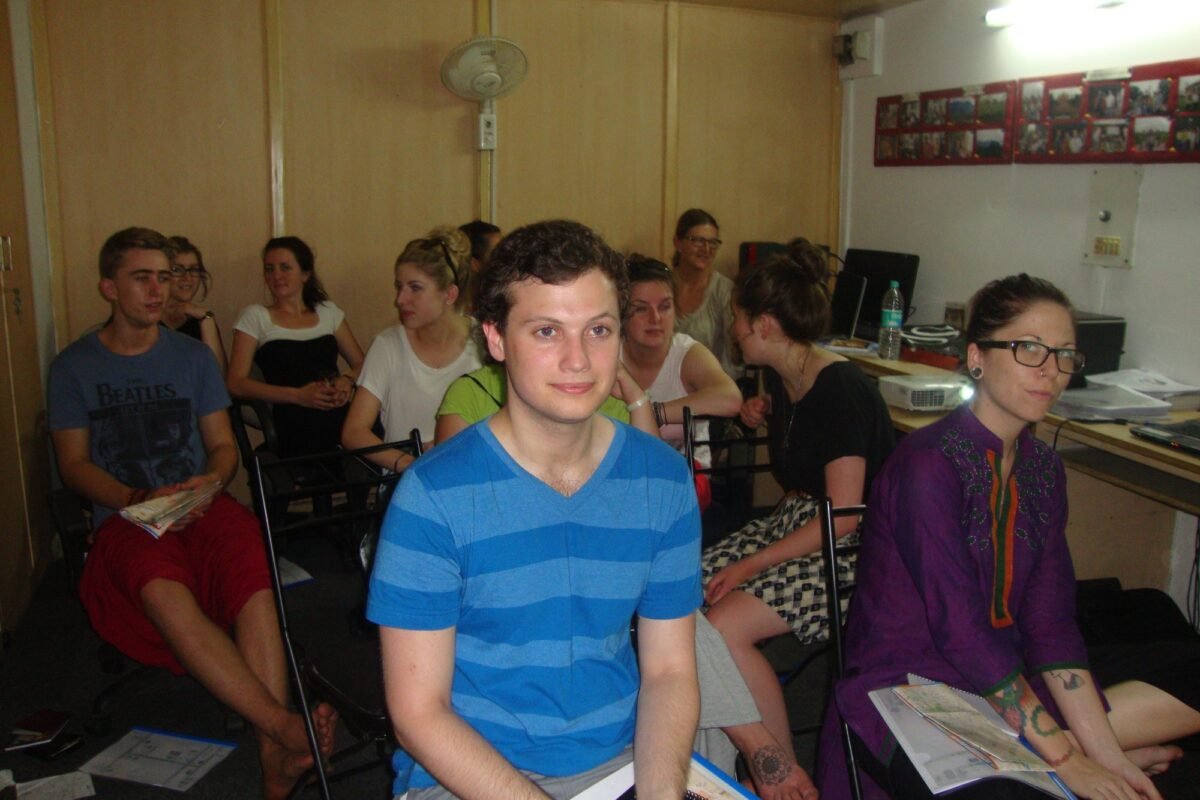
Safety is usually the first thing people ask about before volunteering in India, and it’s a sensible question. The reassuring answer is that daily life as a volunteer in Delhi or Jaipur is straightforward with a little common sense, and you are not on your own: we meet you on arrival, your orientation covers staying safe, and our team can be reached at any hour, every day of your stay.
Safety still starts with you. These six habits will keep your time in India running smoothly.
1. Make the most of your orientation and your coordinator
Your first days include an orientation on safety, culture, getting around and what to wear, and your coordinator takes you to your project the first time. Listen closely and ask about everything: which areas to avoid, what a fair auto-rickshaw fare is, which markets get crowded, how to handle persistent touts. Our coordinators live locally and know the city far better than any guidebook, and if anything worries you at your project or your accommodation, they are the people to tell.
Before you head somewhere new, especially overnight, tell your coordinator where you’re going and when you’ll be back. They can suggest reliable places to stay and help with train bookings.
2. Keep valuables to a minimum
You won’t need expensive jewelry, watches or gadgets at a shelter home or a community center, so leave them at home. Bring only the electronics you’ll use, lock them away when you go out, and carry just the cash you need for the day, split between a pocket and your bag. In crowded markets and on packed trains, keep your phone in a zipped pocket and wear your backpack on your front.
Make copies of your passport, visa and insurance policy. Keep photos of them on your phone and in your email, and a paper copy separate from the originals. If anything goes missing, replacing it will be far easier.
3. Dress for the culture
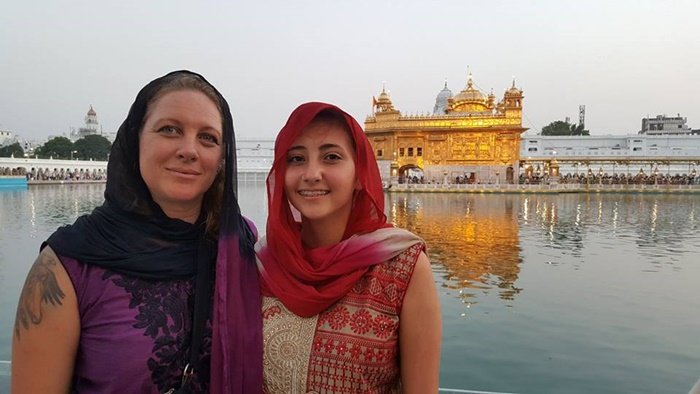
India is conservative about dress, especially outside the wealthier parts of big cities. Clothes that cover your shoulders and knees attract less attention and show respect at your project. Light, loose cotton is the most comfortable in the heat, and a kurta from a local market costs little. Carry a scarf to cover your head at a gurdwara or temple, or your shoulders when you need to. Our guide on what to wear while volunteering in India has more detail.
4. Take care on the roads
For most visitors, traffic is a bigger everyday risk than crime. Vehicles come from every direction and rarely stop for pedestrians, so cross with a group of locals, use footbridges and underpasses where they exist, and keep looking both ways. In Delhi, the Metro is the easiest and safest way to get around, and the first coach of every train is reserved for women. In autos and app cabs, check the number plate before you get in and sit in the back, and in a car, wear a seat belt if there is one. Read more about getting around Delhi.
5. Plan your evenings
Evenings are for exploring, but go out with other volunteers rather than alone, especially after dark, and let your housemates know where you’re going and roughly when you’ll be back. To get home late, use the Metro, a pre-booked taxi or a ride-hailing app rather than flagging down a vehicle in the street.
Go easy on alcohol, which makes anyone an easier target, and never leave a drink unattended or accept one from a stranger. Alcohol and drugs are not allowed at our accommodation.
6. Stay connected
Get a local SIM card when you arrive (your coordinator can help you set it up) and keep your phone charged, with a power bank for long days out. Save your coordinator’s number, India’s emergency number (112) and your insurer’s emergency line, and share your location with a friend when you travel. Travel and medical insurance is compulsory on every program; see what your policy should cover. Check in with your family regularly, too, so nobody at home worries.
Above all, trust your instincts. Most people you meet will be warm, helpful and curious about you, but if a situation feels wrong, leave and call us. Planning a trip on your own? Read our advice on traveling solo in India.
Questions about safety? Read our FAQ or email info@volunteeringindia.com.