
Your first days in India can feel as if someone has turned up the volume on everything: the traffic, the colors, the crowds, the smell of street food and incense, the number of people who want to know where you’re from. For most first-time visitors, that intensity is part of the thrill. For many, at some point, it is also a bit much.
That feeling has a name. Culture shock is the disorientation you feel when almost everything familiar changes at once: language, food, manners, the pace of the street, the unwritten rules. It is normal, it is temporary, and it happens to experienced travelers too. Here is what to expect, and how to get through it.
The stages most volunteers go through
- Excitement. Everything is new and fascinating, and you want to photograph all of it.
- Frustration. Often toward the end of the first week. You’re tired, your stomach is still adjusting, the noise and the stares get to you, and you miss home more than you expected.
- Adjustment. You know the way to your project, the children know your name, and a few Hindi words have crept into your sentences.
- Feeling at home. The things that bothered you in week one become the things you will miss.
Not everyone goes through every stage, and on a short stay it can all happen within two weeks. Expect a mild version in reverse when you get home, too: plenty of volunteers find their own country strangely quiet at first.
What might surprise you
People, everywhere
India is the world’s most populous country, and in Delhi you are rarely far from a crowd. People may stare, ask for a selfie, or ask questions that feel personal: where you’re from, whether you’re married, what your parents do. Almost always it’s simple curiosity. Answer as much as you’re comfortable with, smile and move on, and say no to photos if you don’t want them. If something feels wrong, trust your instincts and walk away.
Traffic and noise
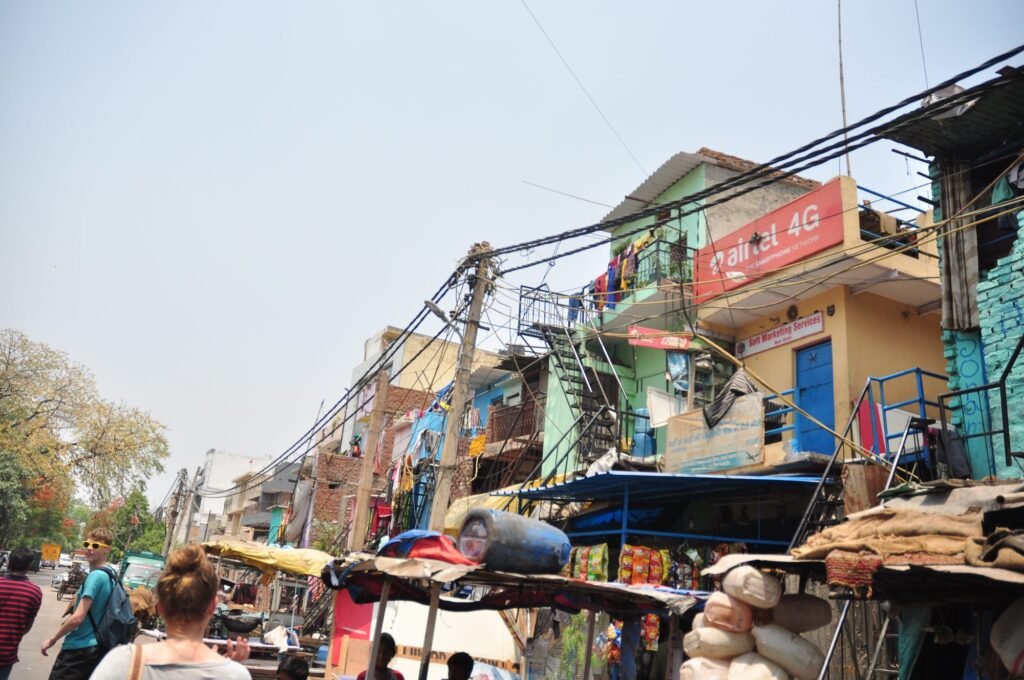
Cars, motorbikes, auto-rickshaws, cycle rickshaws and the occasional cow all share the same road, and horns are used constantly, more as a friendly “I’m here” than a complaint. Cross with a group of local people and walk at a steady pace, so drivers can judge where you will be, and leave early for your project in case of jams. Then enjoy the ride: an auto-rickshaw through the old city is an adventure in itself, and drivers often have stories to share.
Animals on the street
Cows wander through traffic at their own pace, dogs nap on the sidewalk, and in Jaipur you might pass a camel cart. Most animals ignore people, and the best approach is to return the favor: don’t feed or pet street dogs or monkeys, and give cows plenty of room.
The food
Indian food is spicier than the versions most of us know at home, and your stomach may take a few days to adjust. Meals at our accommodation are vegetarian home cooking; when you eat out, start mild, ask for less chili, and choose busy places where the food is cooked fresh. Our tips for staying healthy cover the rest.
Faith in daily life
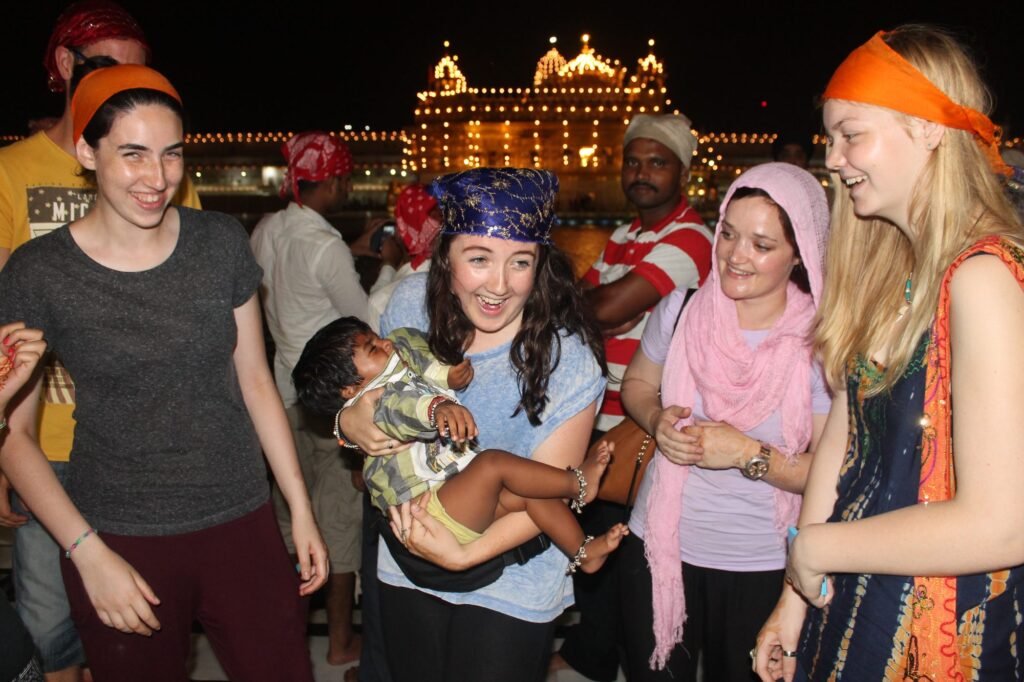
Religion is part of everyday life in India: a shrine on a shop counter, bells from the neighborhood temple, a festival that fills the streets. People of many faiths live side by side, and most are happy to talk about their beliefs if you are curious. Visiting a temple or gurdwara with an open mind is one of the best ways to understand the people you are working with.
Poverty, up close
You will see poverty in India, sometimes right beside great wealth, and at your project you may hear hard stories. Feeling sad, guilty or angry is a normal response. Talk it through with your coordinator and the other volunteers, and focus on what you can do in the time you have.
Plans that change
Things don’t always start on time, and plans can change at short notice. You will also meet the famous Indian head wobble, which can mean yes, OK or I understand, depending on the moment. A little patience and a sense of humor go a long way.
How to cope
- Give it time. The first week is usually the hardest, and it gets easier faster than you expect.
- Build a routine. Regular meals, project days and a good night’s sleep give your week a shape.
- Look after the basics. Being tired, hungry or dehydrated makes everything feel harder.
- Get out and explore. The more of the city you see, the less strange it feels. Go with other volunteers at first.
- Learn a few words of Hindi. The reaction you get makes every exchange warmer.
- Find your quiet places. A park such as Lodhi Garden in Delhi, a café or a temple courtyard gives you a break from the bustle.
- Talk about it. The other volunteers are going through the same thing, and many people find a journal helps too.
- Stay in touch with home, but not constantly. Hours on the phone every day can leave you stuck halfway between two places.
- Ask for help. That is what your coordinator is there for.
How we help you settle in
You don’t have to work any of this out alone. Our coordinator meets you at the airport, or at Jaipur railway station if you are already in India, and takes you to your accommodation. In your first days, a half-day orientation covers safety, culture, getting around, what to wear and a few words of Hindi, and your coordinator goes with you to your project the first time. In Delhi you live with other volunteers at a hostel close to the Metro; in Jaipur you choose between our volunteer house and a host family. And our team can be reached at any hour, every day of your stay.
For a gentler start, our Hindi and culture week in Delhi combines Hindi classes, talks on Indian customs and guided sightseeing before you begin volunteering.
The best cure of all
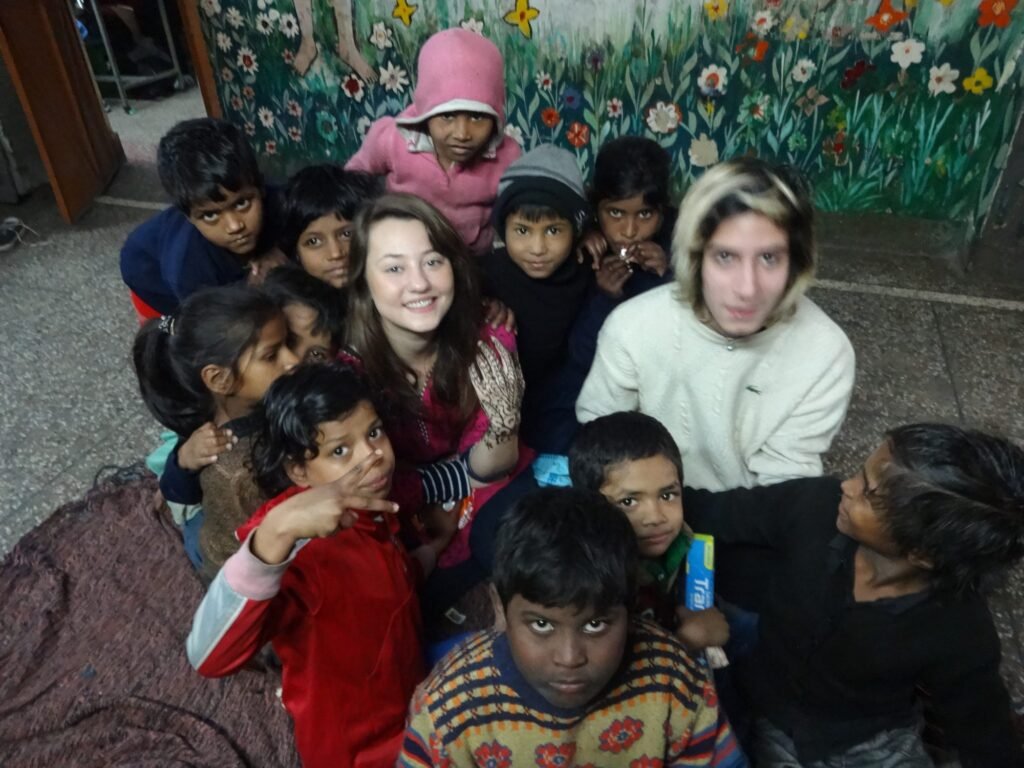
For many volunteers, what finally ends the culture shock is the project itself. Whether you are playing games with children at a shelter home in Delhi or helping young women practice their English at a community center, the people you work with will welcome you, share their stories and make you part of their day. Before long, India stops feeling foreign and starts feeling like somewhere you belong.
Want to know more before you go? Read about the questions most volunteers ask themselves before they come, or email info@volunteeringindia.com and our team in New Delhi will be glad to help.