
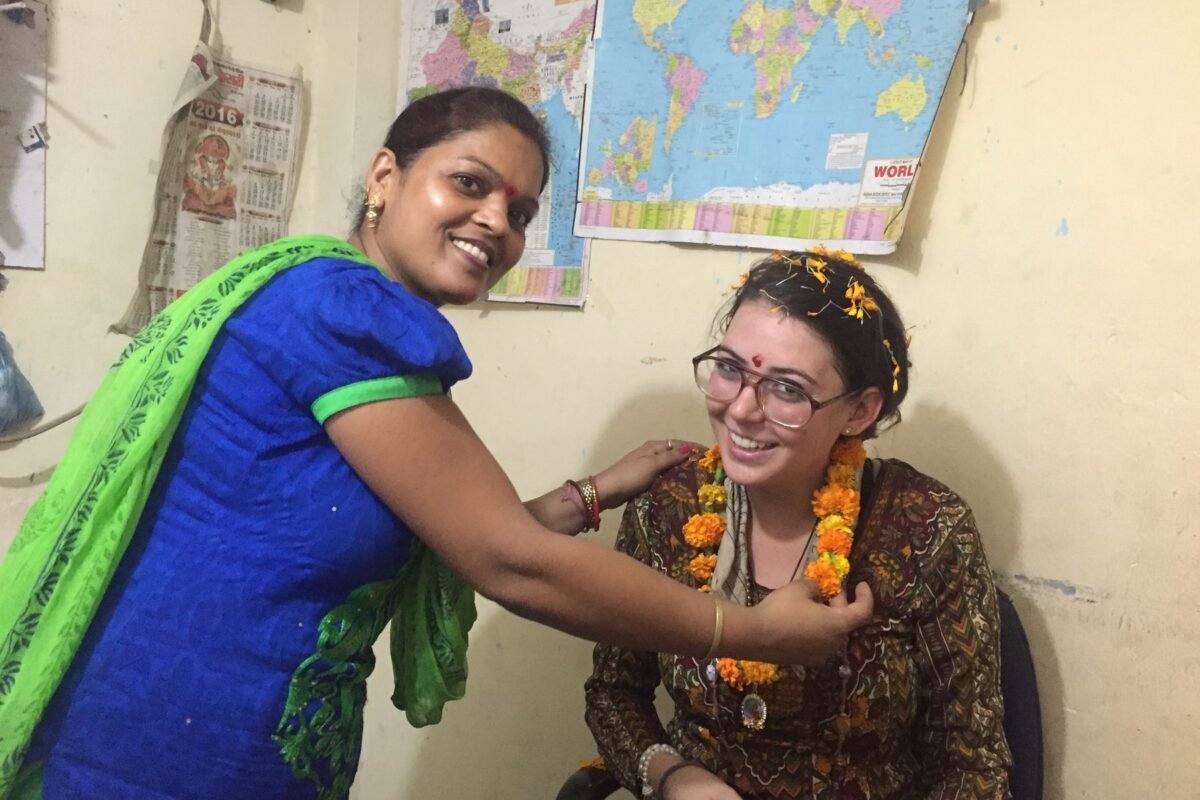
Booking your place is the easy part. The preparation that makes the biggest difference to your time in India happens in your head: knowing what volunteering here really involves, understanding a little about the country before you land, and arriving ready to adapt.
For the practical side, from visas to insurance and flights, see our checklist of things to do before your trip. This post is about getting yourself ready.
Set realistic expectations
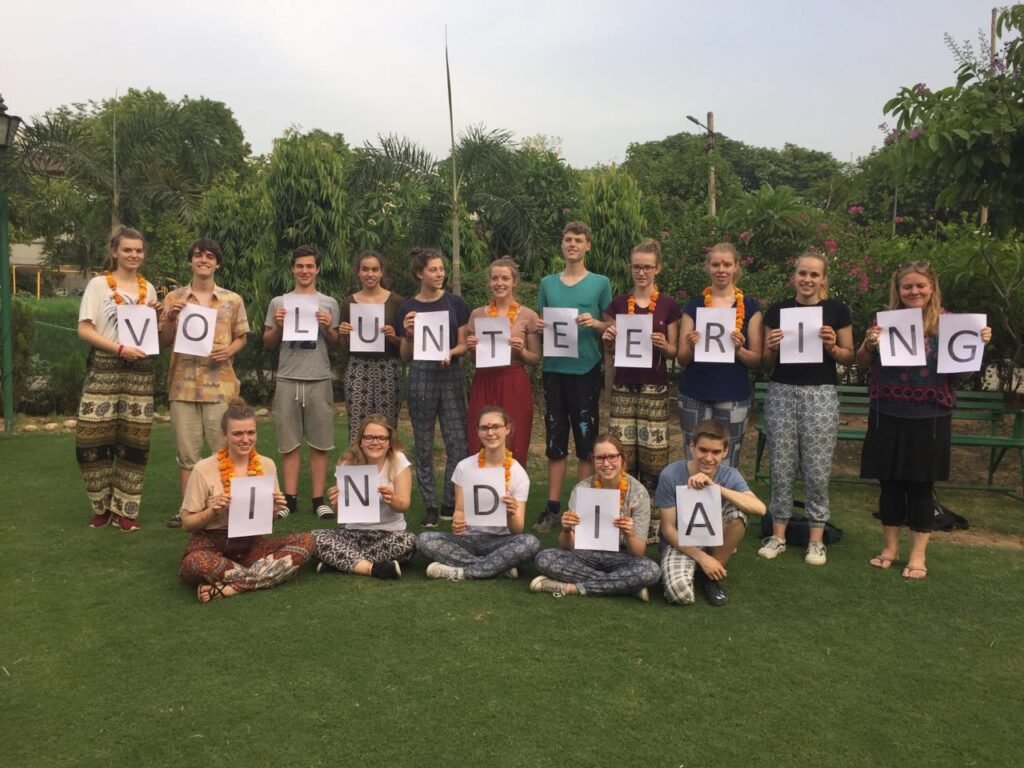
Volunteers support the teachers, carers and staff who run each project; they don’t replace them. You won’t transform a shelter home or a women’s center in two weeks, and nobody expects you to. What you can do is turn up every day with energy and patience, and give children and adults the extra attention a busy center rarely has time for.
How long you stay shapes what you can give. A week or two is a real introduction to a project and a city, and programs like the 2-week mini break build sightseeing into the plan. Stay a month or more and you have time to learn names, build trust and watch children make progress. Neither is better; just match your expectations to your time.
Settling in takes a few days, too: new food, new routines, a language you don’t understand all around you, and work that may look different from what you pictured. Give yourself that time before you judge your project, or yourself.
Read about India before you go
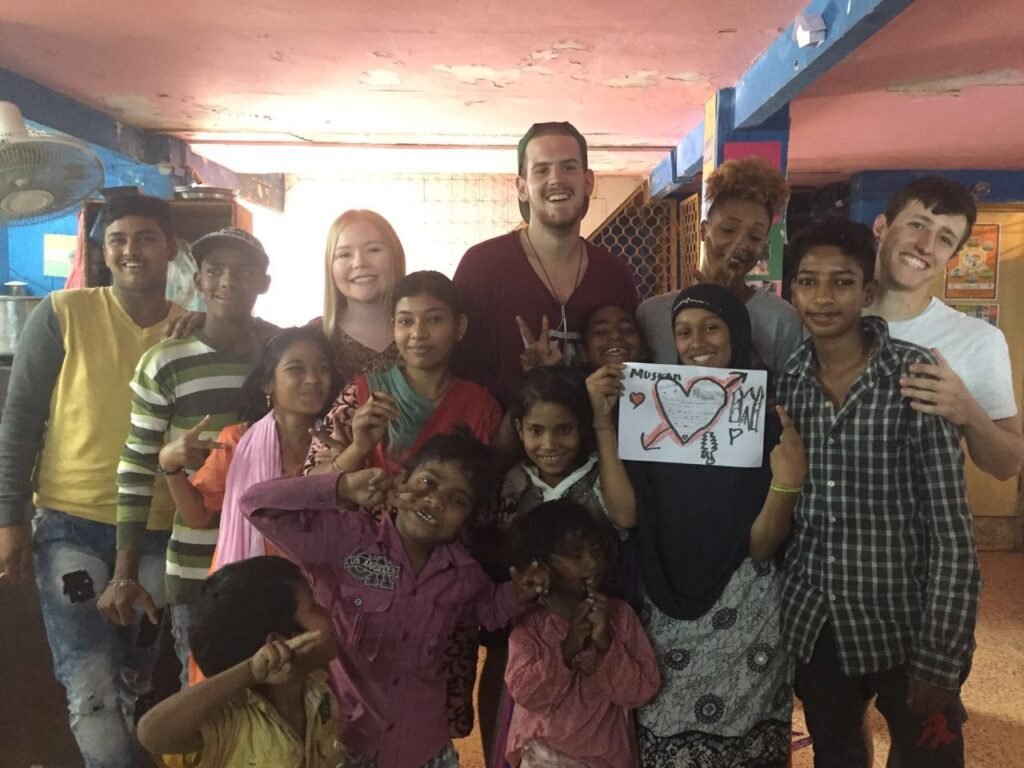
A little background goes a long way. Read about India’s history since independence, follow the news for a few weeks before you travel, and pick up a novel or two set in the country; our list of books to read before you arrive is a good place to start. Bollywood films count as homework too, and the children at your project will be thrilled if you know the songs.
Learn about the city you’re heading to. Delhi is a vast capital where glass office towers stand a short drive from crowded old lanes, and you will see poverty up close, sometimes at traffic lights where children sell flowers or ask for money. It can be upsetting, and it helps to think about it before you arrive. Jaipur, the capital of Rajasthan, is smaller and more traditional, and people dress and behave more conservatively. With 22 officially recognized languages and people of many faiths, India changes from one state to the next, so what you read about one place may not hold true in another.
Find out about your project
Read up on the people you will work with. If you’re joining our women’s empowerment program, learn about women’s education and work in India and why so many girls leave school early. If you’ll be with children, read about child labor and the reasons children miss school. For special needs care, learn the basics of autism and learning disabilities. Medical interns should read about how India’s public and private hospitals work, and expect many patients to speak Hindi rather than English.
Then ask questions. Your coordinator can tell you how the project runs, who you’ll be working with and what kind of help is most needed. The better you understand the setting, the sooner you will be useful.
Pick up a little Hindi
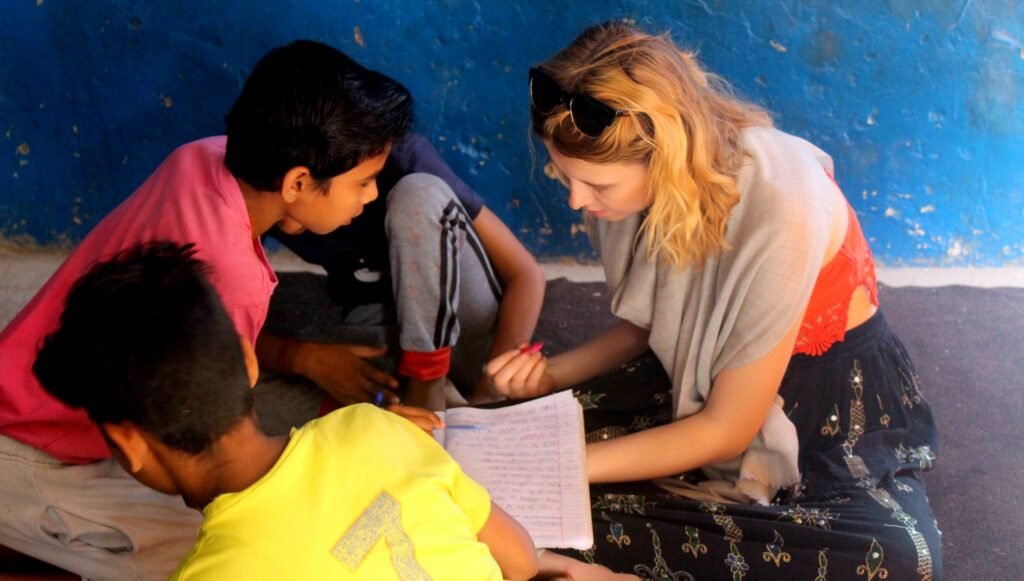
You don’t need Hindi to volunteer. English is widely spoken in the cities and at our projects, and your orientation covers the phrases you’ll use most. Still, a few words open doors: people light up when a visitor tries, children love correcting your pronunciation, and it helps at the market or in an auto-rickshaw. Start with these:
- Namaste: hello, and goodbye
- Dhanyavaad or shukriya: thank you
- Haan and nahin: yes and no
- Theek hai: OK
- Kitne ka hai? How much is it?
- Shabash: well done, which children love to hear
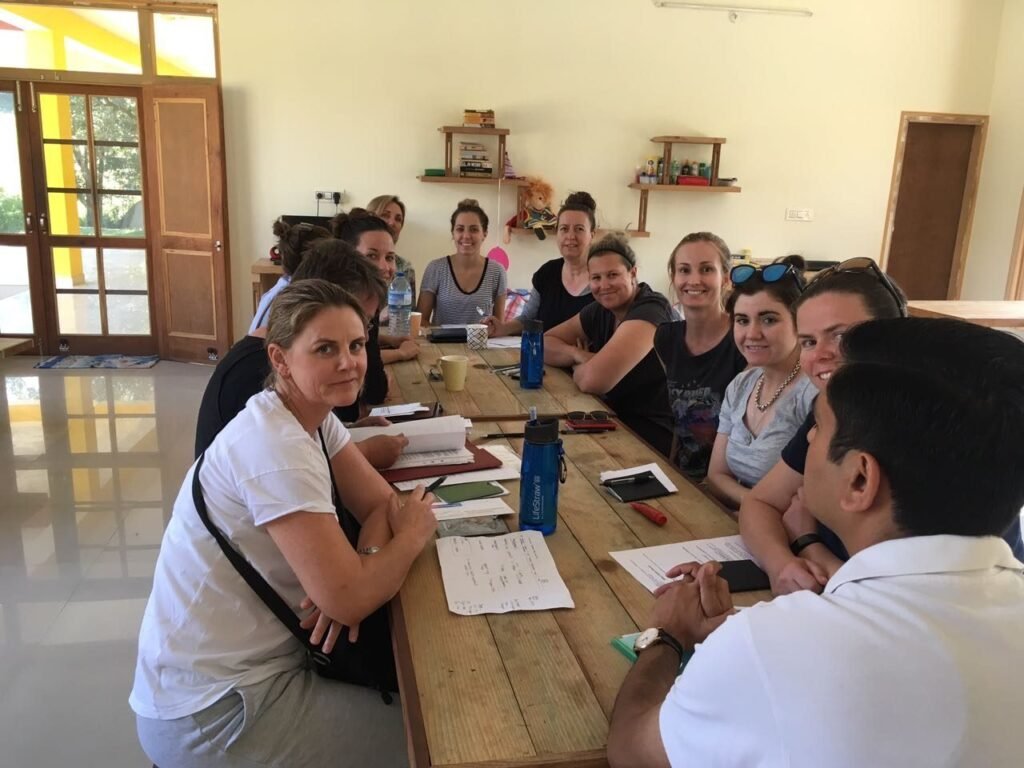
For a proper start, our Hindi and culture week in Delhi pairs beginners’ Hindi classes with open conversations about family life, religion and festivals, a guided day around New Delhi, a temple day and a trip to the Taj Mahal. There is no project work that week, so many volunteers take it before their placement begins.
Bring skills and ideas to share
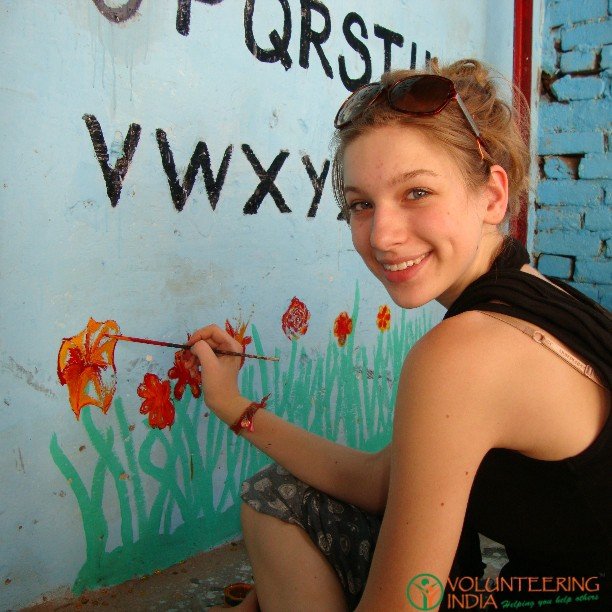
Think about what you can offer beyond enthusiasm. Do you play a sport or an instrument, draw, dance, sew or know your way around a spreadsheet? Children’s centers welcome games, songs, art and simple science experiments. The women’s centers in Delhi run computer and vocational classes alongside English, and in Jaipur the slum schools hold art, dance and sports workshops, while construction volunteers paint classrooms and murals.
Plan a handful of activities before you leave, including one or two that need no materials at all, and practice explaining them with gestures. Pack a few light things to get you started, such as picture books in simple English, flashcards or a soft ball, plus photos of your family and hometown, which make a great conversation starter. Most other supplies are cheap to buy locally, and your coordinator can tell you what the project actually needs. For more ideas, see our activities for volunteering with children.
Expect a little culture shock
India works on all your senses at once. Expect crowds and constant horns, cows and dogs wandering the roads, food with more chili than you’re used to, and people who stare, ask personal questions or want a selfie with you. Personal space shrinks, plans change at short notice, and things happen in their own time. It is rarely unfriendly; most people are simply curious about you.
The trick is to expect it, laugh where you can and rest when you need to. Our guide to dealing with culture shock has more advice.
Think about your free time
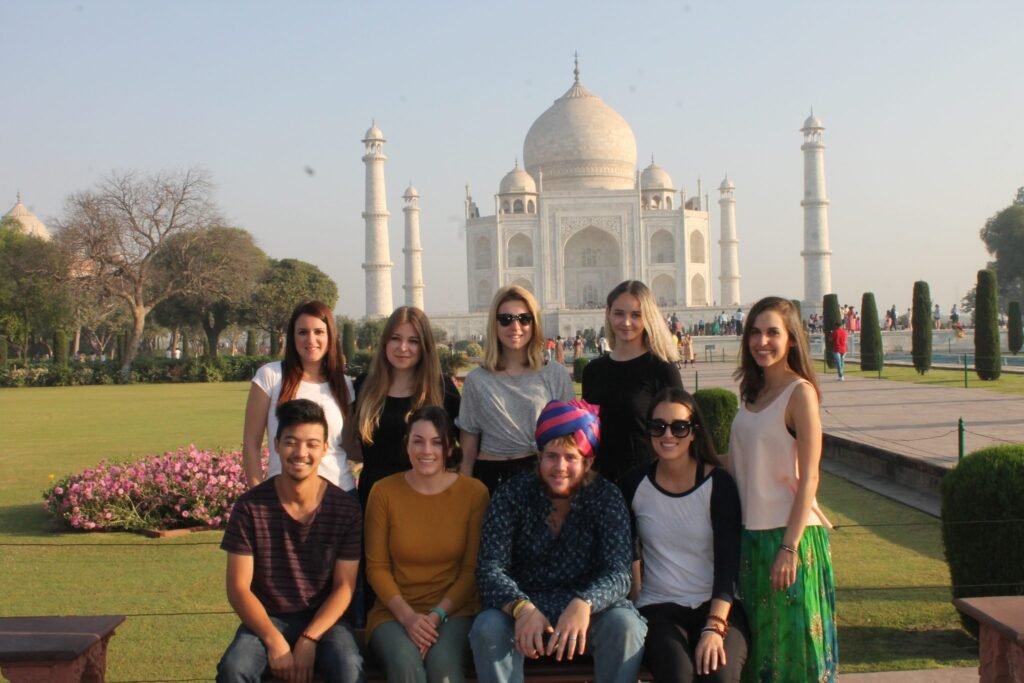
Project days run Monday to Friday, so evenings and weekends are yours. Make a rough list of what you want to see, from the Taj Mahal to the forts of Jaipur and the Golden Temple in Amritsar, but leave room for the unplanned: a festival in your neighborhood, an invitation to a family meal, a lazy Sunday at the market with new friends. Our weekend trips take care of transport and hotels if you’d rather not plan.
Stay open, and look after yourself
Working alongside people who face real hardship can be tough on you, too. You may feel sad, angry or guilty, or wonder what difference you’re making. These feelings are normal. Talk them through with other volunteers or with our team, who can be reached at any hour, and remember that small, steady help is exactly what the projects ask for.
Look after the basics: sleep, drink plenty of water, and take a quiet evening when you need one. Volunteers who take each day as it comes, laugh at their mistakes and stay curious tend to have the best time.
Think ahead to going home
Many volunteers find coming home harder than arriving. Everyday life can feel strangely flat, and friends may not quite understand what you saw. Plan a way to put the experience to use: share your stories, keep learning about the issues you came across, or volunteer in your own community.
Questions about getting ready? Email info@volunteeringindia.com and our team in New Delhi will be glad to help.