
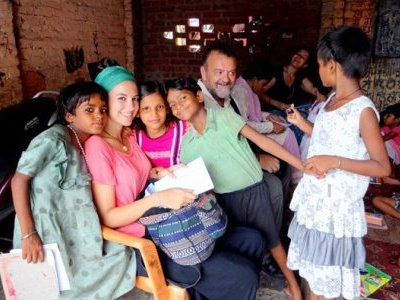
Volunteering abroad isn’t just another way to travel. You arrive with a job to do, in a culture that works differently from your own, and the people at your project are counting on you to show up. So what makes a volunteer successful? Not a teaching degree or years of experience. The volunteers who make the biggest difference, and get the most out of their time in India, tend to share four traits. None of them is rare, and all of them can be practiced.
1. Flexibility
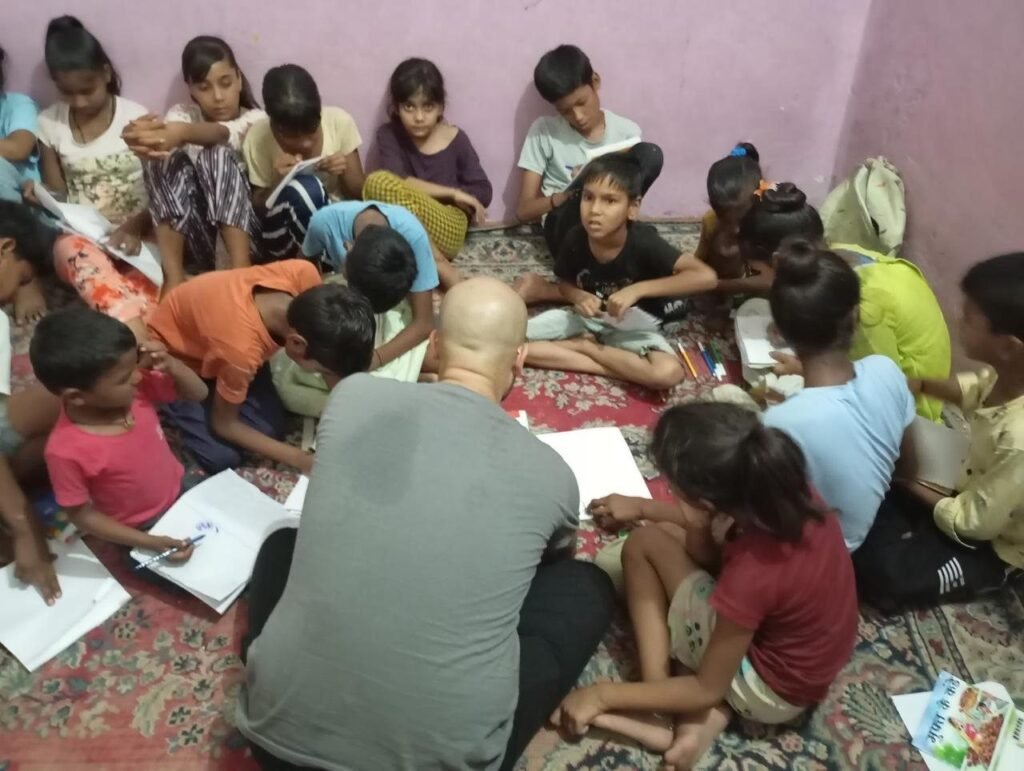
Plans change in India, and they change at projects too. A school closes for a festival, a lesson you planned for 10 children turns into one for 25, a monsoon downpour washes out the outdoor game you had ready, or a ward round at the hospital moves to the afternoon. Hours shift with school terms, festivals and the weather. The volunteers who thrive treat this as part of the adventure: they keep a plan B in their bag, say yes to the unexpected and don’t take a change of plan personally.
2. Patience and commitment
Progress is often slow. A child might take weeks to read a full sentence in English, and a shy teenager might not say a word to you until your second week. Be patient with them, and with yourself while you adjust to the heat, the food and the pace. Above all, show up: every day, on time, even when it’s hot and you’re tired. Children notice who comes back, and that consistency builds the trust everything else depends on, which is also why longer stays tend to achieve more. And say yes to the unglamorous jobs, from sharpening pencils to sweeping up after a craft session.
3. Cultural humility
You are a guest, in the country and at your project. The teachers, carers and doctors you work with know their community far better than any visitor can, so watch and listen before you suggest changes, and ask why something is done a certain way before assuming there is a better one. Follow the project’s rules and our code of conduct, from the child-protection guidelines to the ban on alcohol and drugs at our accommodation, and keep your coordinator in the loop when you travel. Be kind and supportive to everyone involved: the project staff, your coordinator and your fellow volunteers, who come from many countries and backgrounds. A team that gets on well does better work.
4. Initiative
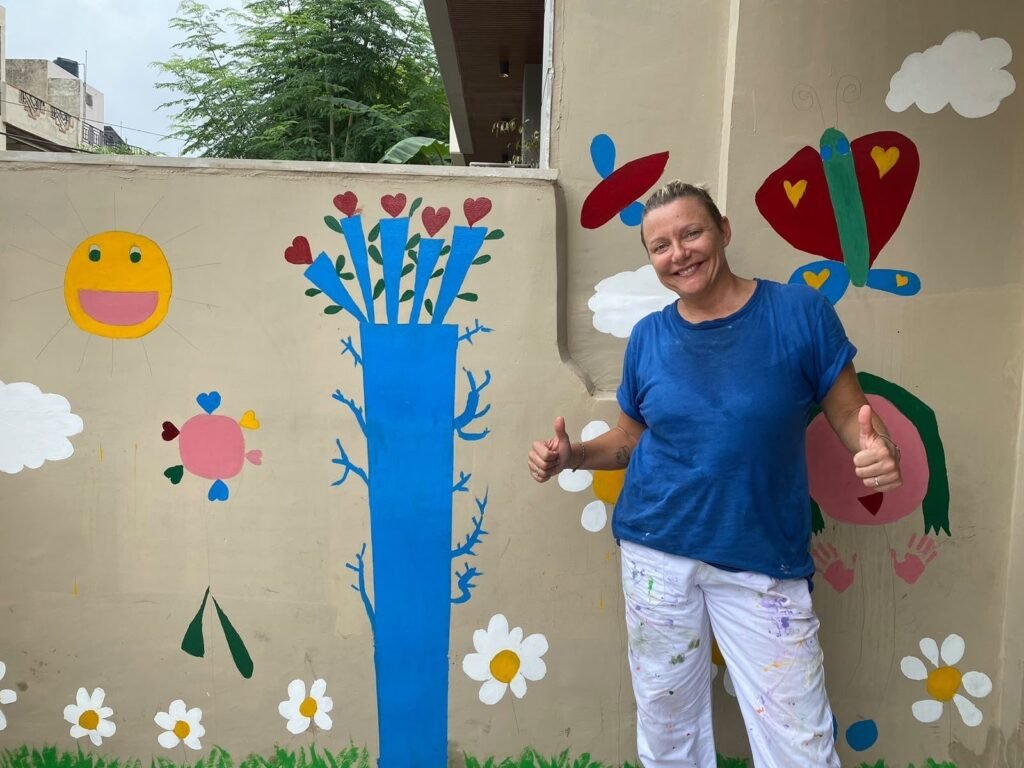
Within the staff’s plan, there is plenty of room for your own ideas, and the best volunteers bring them. Turn a dull lesson into a game: practice numbers with bottle tops, spelling with a ball game, or English through songs with actions. Share a skill, whether that’s drawing, music, dance or a sport. Notice what needs doing and offer to help, from sorting the bookshelf to painting a mural. Run your ideas past the staff first, then go for it. Our posts on activities for volunteering with children and volunteer teaching in India have more ideas.
Volunteering comes with real responsibility, but it isn’t a solemn business. Bring these four traits and a sense of humor, and you will do good work, make friends from around the world and go home with plenty of stories. When you’re ready, browse our programs in Delhi and Jaipur, or email info@volunteeringindia.com and our team will help you choose.